
You get out of the shower or start getting ready for the day, and you see a Q-tip on your counter. Next thing you know, it’s swirling around in your ear, only to make things muffled or hard to hear.
It’s pretty standard for patients to think they can clean their own ears, but unfortunately, it often leads to a pretty bad experience.
Let’s take a look at some of the most common earwax cleaning myths and why you should work with an audiologist the next time you think you might have too much earwax.
Why Do I Have Earwax?
EWWW…EARWAX! DISGUSTING!
Why is everyone so grossed out by earwax?
Well, for one, it looks gross. It’s brown, greenish, gunky and sometimes gooey and sticky. Just seeing it can make you feel unclean and in need of hygiene.
But get over it! Everyone has earwax.
And, it’s a good thing you do, or you’d be in a lot of trouble.
There’s a reason you have earwax. It creates a waterproof lining in your ears that keeps them dry, which prevents germs and bacteria from causing constant infections.
Earwax traps dirt and dust, and little pieces of cotton (from those nasty Q-tips), and all the stuff that gets stuck in the hairspray you accidentally sprayed in your ears.
Wax keeps your ears lubricated and repels fungi, insects, and water.
Earwax has a purpose. It protects your ears.
Are There Different Kinds of Earwax?
Having too little earwax or over-cleaning your ears can cause dry, flaky, and itching ears and trigger infections.
Some wax is dry and flaky, and some wax is gooey and sticky. What kind you have is basically genetic. In general, Asians have dry earwax while European and African populations produce “wet” earwax.
Should I Clean My Own Ears?
GET THAT Q-TIP, BOBBY PIN, PEN KNIFE, SAMURAI SWORD OUT OF YOUR EAR!
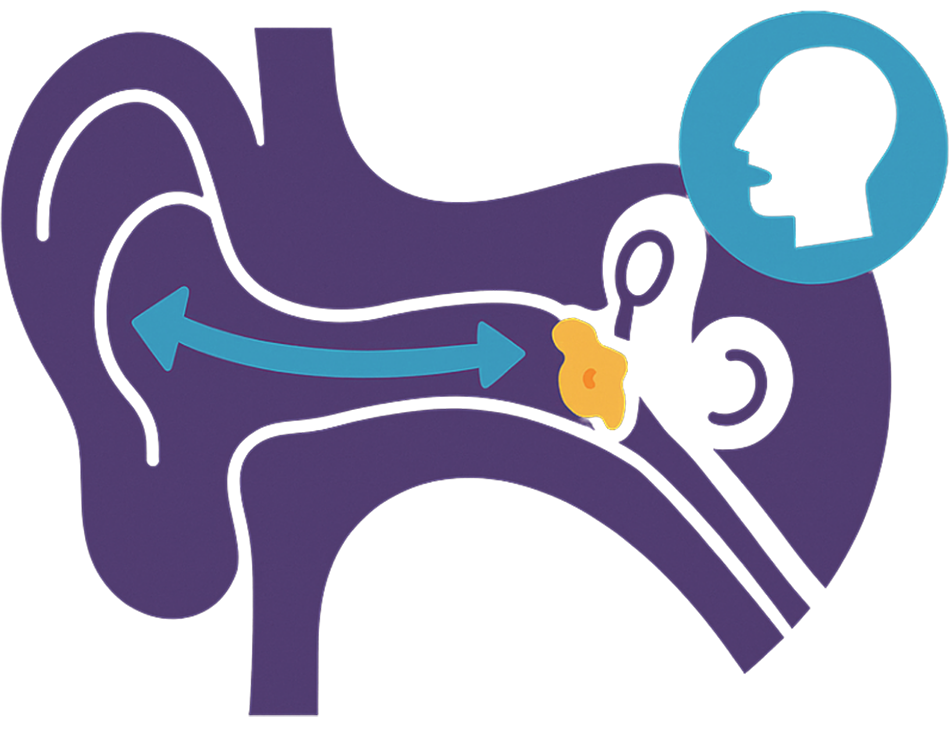
Most ears are self-cleaning. Every time you chew or talk, the movement of your jaw causes the dusty, germ-laden wax to be pushed toward the opening of your ear, where it usually flakes and falls out. Meanwhile, the glands in your ear canals are producing new, protective, fresh wax.
When you stick objects in your ear, you’re really not helping. You’re pushing all the wax deeper into the canal and causing it to keep building up. Then the wax gets impacted.
- You get hearing loss
- You get an earache
- You get tinnitus (ringing in your ear)
- Your ears itch
- Your ears smell bad
- You puncture your eardrum
5 Things That Can Cause Excessive Earwax Build-Up
There are five main reasons why you might have excessive earwax. Some of these are things you can control, whereas others are just part of our genetics.
- The number one cause of excessive wax buildup is self-cleaning attempts.
- Genetics – some people just produce too much. It runs in the family
- Headphones*
- Hearing aids*
- Age – the ears produce less moisture, and the ear canals can narrow, causing the dry wax to get stuck.
*Your ears need to breathe and get air. Wearing headphones and using hearing aids can block the ears from performing their natural self-processing.
Common Earwax Cleaning Myths
We get patients every day who tell us about something they’ve heard online, or from a friend about cleaning their ears. Next thing you know, they tried something, and it made everything worse.
Here are some of the most common earwax cleaning myths we’ve heard:
Myth: Ear candling is a safe and effective way to remove earwax and toxins.
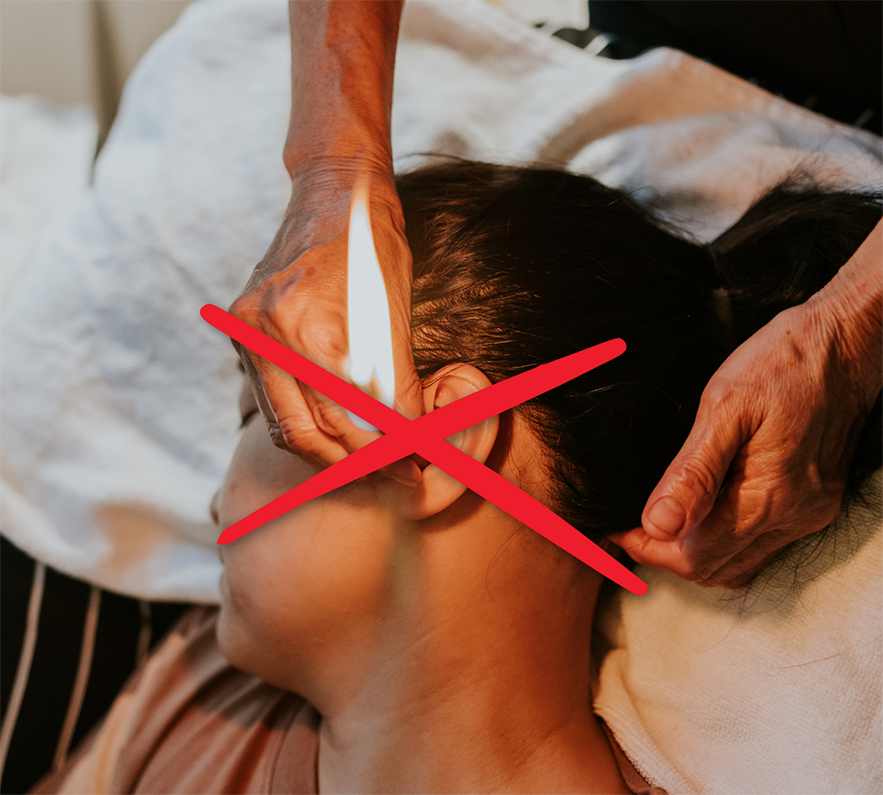
Ear candling, or ear coning, involves placing a lit, hollow candle into the ear canal, with the belief that it creates suction to draw out earwax and impurities.
Medical experts and scientific studies have consistently debunked this practice as both ineffective and highly dangerous.
It does not remove earwax; instead, it can lead to severe burns, introduce candle wax into the ear canal, cause ear infections, or even puncture the eardrum.
The residue found in candles after use is typically just candle wax and soot, not earwax.
Myth: You should clean your ears daily to maintain good hygiene.
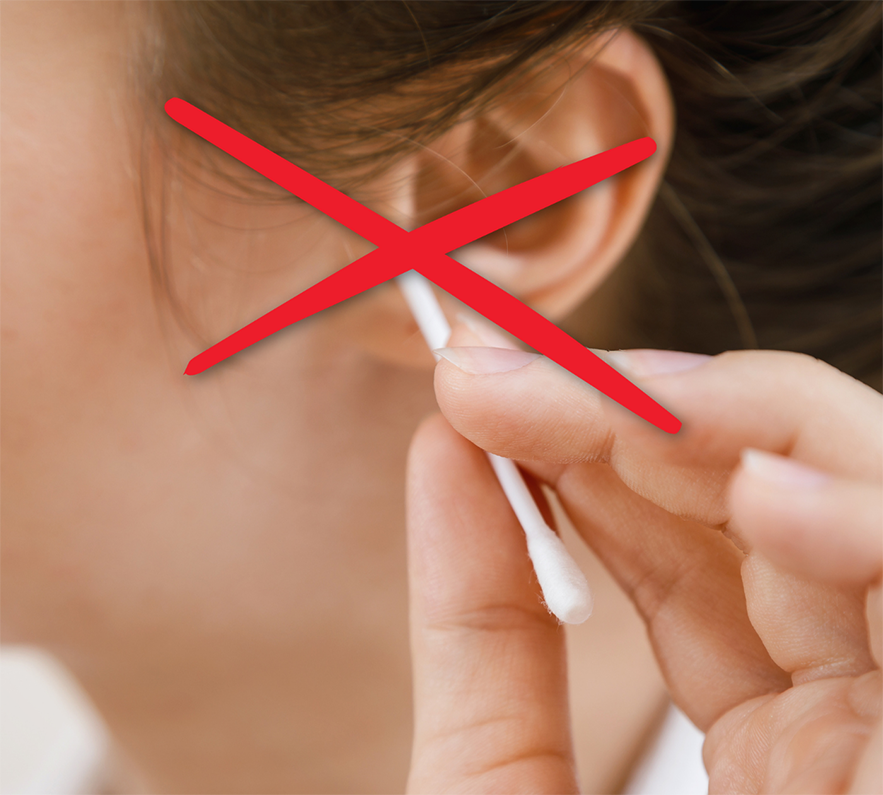
While it’s important to keep the outer ear clean, the inner ear canal is remarkably self-cleaning.
Your ears are designed with a natural “conveyor belt” system, where old earwax is gradually moved out of the ear canal through jaw movements (like chewing and talking).
Attempting to clean your ears daily, especially by inserting objects, can disrupt this natural process, push wax deeper, and cause more problems than it solves.
For most people, simply wiping the outer ear with a damp cloth is sufficient.
Myth/Fact: Over-the-counter ear drops are a universal solution for all earwax problems.
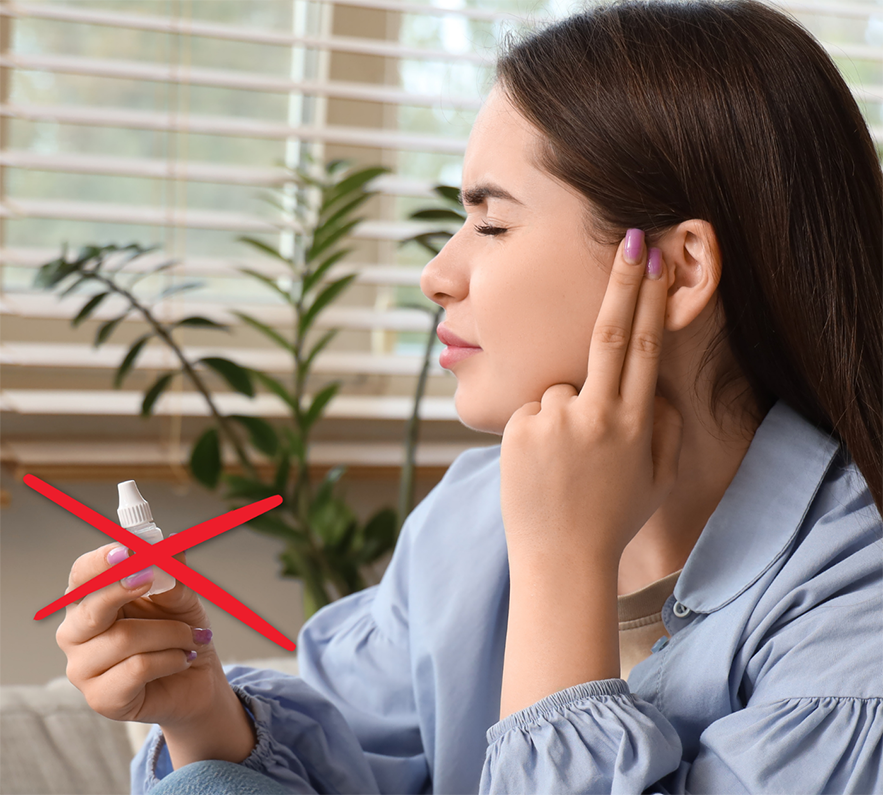
Ear drops can help soften earwax, which can aid in its natural expulsion or make professional removal easier.
Many over-the-counter drops contain ingredients like hydrogen peroxide or carbamide peroxide that work to break down earwax.
However, they are not a universal solution.
Ear drops should be used with caution and often under the guidance of a healthcare professional, especially if you suspect you have a perforated eardrum, an ear infection, or ear tubes.
For significant or impacted earwax, drops alone are usually not enough, and professional removal by an audiologist or doctor remains the safest and most effective method.
Cleaning Your Ears Isn’t a DIY Project. Call Hearing Health Center Today to Get Your Ears Cleaned Today.
Cleaning your ears isn’t a do-it-yourself project. Even if you use an over-the-counter remedy, how do you know if it worked? You can’t see what you’re doing in there.
If you think you have earwax buildup, do NOT try to fix it yourself. Your audiologist or doctor can remove it quickly, easily, comfortably, and professionally.
Schedule an appointment with one of our audiologists at Hearing Health Center for a comprehensive hearing exam and be on your way to better hearing.
Finally, a hearing aid smartly designed to look and function like an earbud. Unlike traditional earbuds, Signia Active’s proven hearing
The quality of our life is greatly influenced by the strength of our hearing. From our ability to communicate to simply being able to balance …
Are you having trouble hearing? You might just have a problem with wax buildup. The best way to find out if you have wax buildup is to come in and have us examine your ears with our video otoscope.
Every one of us secretes wax in our ears. Wax not only serves to protect the skin in our ear canal but also provides lubrication and can protect our ears from bacteria, insects, and fungi. Most of us barely notice the presence of our wax, but for others, it can build up without actually removing itself, causing a blockage in our ear canal.
What is Ear Wax?
Nobody likes ear wax, but it’s essential to protecting your ears.
Ear wax, medically known as cerumen, is a naturally occurring substance produced within the ear canal. While it’s called ear wax, it’s a mixture of ear secretions, shed skin cells, and trapped debris.
Ear wax is the first line of defense for your ears. It traps dust, dirt, and other small particles that could otherwise penetrate deeper into the ear and potentially damage your eardrum. Additionally, ear wax provides lubrication, preventing the ear canal from becoming dry and itchy.
You may have found that ear wax can be in many colors, including off-white, yellow, and brown. If your ear wax is green, it’s time to see a doctor, as you might be fighting off an infection.
The Complications of Ear Wax
Ear wax is generally beneficial, but if it accumulates too much and becomes impacted, it can threaten the health and well-being of your hearing.
Impacted ear wax occurs when the cerumen becomes lodged deep within the ear canal, often blocking it entirely. If that happens, you’ll typically experience the following symptoms:
Hearing Loss
The most common symptom of too much ear wax is when the blockage prevents sound waves from reaching the eardrum effectively, resulting in muffled or diminished hearing.
Ear Ache
Another common symptom of impacted ear wax is ear pain because of the pressure exerted by the ear wax against the eardrum or the ear canal walls.
Tinnitus
You may have tinnitus if you’ve ever experienced ringing, buzzing, or other noises in the ears. There are different causes for tinnitus, but impacted ear wax is one of the more common ones.
Vertigo
Impacted ear wax sometimes causes balance problems because the ear plays a vital role in maintaining equilibrium. If you feel dizzy or have vertigo, it might be from too much ear wax.
Ear Infection
Because areas in the ear canal are blocked, they become breeding grounds for bacteria growth. If that happens, you will end up with a lot of ear pain and an ear infection.
If you experience any of these issues, reaching out to your audiologist before attempting to clean your ears yourself is important.
How Do You Clean Your Ears?
 One of the biggest misconceptions is that you should clean your own ears. Most common at-home ear cleaning attempts end in serious, long-term damage to your hearing. Sometimes, the damage is even permanent.
While seen on TV and in movies, the cotton swab is one of the last things you want to stick in your ear. Using them oftentimes pushes the ear wax further into the ear canal, causing more impact on the ear drum.
If you’re not careful, cotton swabs can scratch or puncture your ear drum.
Another common at-home solution is an ear candle. There is no medical proof that ear candles work, but there is evidence that usage causes burns, additional blockages, and perforation.
There is no best home solution for cleaning your ears. Sticking anything in your ear is a recipe for serious and long-term damage, which is why you should always go to a doctor or an audiologist if you are experiencing symptoms of impacted ear wax.
How Do You Prevent Ear Wax Buildup?
 While being proactive about protecting your ears might make sense, many at-home remedies are dangerous. The ear canal is self-cleaning, and overdoing it disrupts this process, leading to excess ear wax.
Two methods to prevent impacted ear wax are gentle cleaning after showers and using a humidifier.
After showering or bathing, gently wipe the outer ear with a soft cloth. This helps remove any excess wax that naturally migrated outward.
Dry air sometimes causes dryer ear wax, which can be more prone to impaction. Using a humidifier helps maintain adequate moisture levels.
Of course, the best prevention is scheduling regular appointments with an audiologist who can check and clean your ears. The audiologists at Hearing Health Center are trained in all forms of ear wax removal, including suction, curettes, flushing, and more.
Ear Wax and Hearing Aids
For all of the good ear wax does, its existence complicates things for people wearing hearing aids.
One of the biggest concerns is that wearing hearing aids prompts the glands in the ear canal to produce more wax, preventing it from moving out because of the barrier created by the hearing aid.
Ear wax can accumulate on the hearing aid’s receiver (speaker), blocking sound transmission and causing muffled or distorted sound.
This is a common issue, especially with in-the-ear (ITE) and receiver-in-canal (RIC) hearing aids.
When Ear Wax Becomes a Problem, We Have a Solution: Ear Wax Removal!
As audiologists, we are trained in our academic coursework and through specialized wax removal courses.
Wax removal can take many forms, depending on the wax type, the wax buildup, and what is necessary for the most uncomplicated removal.
Come in, find out if it’s just wax, and get it taken care of at Hearing Health Center with our specialized audiology team!
There are different types of hearing problems and many causes of hearing loss. Identifying the type, severity, and cause of the hearing problem is critical in determining the next steps as well as the treatment options available.
Doctors of Audiology spend four years of intensive study in the anatomy and physiology of the ear and brain to accurately diagnose and correctly treat hearing and cognitive impairments.
All ears have wax. A little wax is good. It keeps your ears moist, repels bugs, and prevents infections from bacteria and germs. Some ears produce too much wax. It builds up and blocks your hearing ability.
Removing earwax is not a do-it-yourself project. Q-tips usually just push the wax deeper inside your ear making it even harder to remove. Never, ever try ear candling. Burns are all too common and the wax you see is from the candle, not your ears. In addition, even over-the-counter earwax removal kits are a problem. How do you know if it worked? You can’t see what you’re doing down there.
There are different kinds of earwax. Some wax is soft and gooey, some hard and impacted, some flaky and loose.
Moreover, there are different methods to remove earwax: suction, curettes, flushing, and more. The audiologists at Hearing Health Center are expertly trained in every method, utilize the best one for the type and amount of earwax, and the one most gentle for your comfort.
Most people haven’t had their hearing checked since grade school. It is rarely included in annual physicals and people just don’t think to get it tested.
That’s why Hearing Health Center is committed to making sure that everyone in the community, over 50 years old, has a baseline hearing test.
If you haven’t had your hearing tested, now is your chance. Make an appointment for a free baseline hearing checkup at any of our five locations
Finally, a hearing aid smartly designed to look and function like an earbud.
Unlike traditional earbuds, Signia Active’s proven hearing technology is laser focused and tailored to the wearer’s unique needs, making hearing in any situation precise and personalized. Whether filtering out specific, distracting background noise or focusing in on a conversation, Signia Active optimizes one’s human performance through enhanced hearing in any situation.
Visit the audiologists at Hearing Health Center to customize your Signia Active hearing experience.
Hearing Health Center recently introduced the option to lease hearing aids. It certainly makes sense. After all, we lease our cars, our smart phones, and office equipment. Why not lease our hearing aids?
Although cost isn’t the number one reason for the 80% of Americans who need hearing aids but don’t wear them,* it can certainly be a barrier to getting help.
Why Leasing?
Most people think of cars when they hearing the word leasing. Today, more people lease their cars than actually buy them. Why?
- Because they want to upgrade to the latest model every couple of years
- Because as the car gets older, it will need more maintenance and more repairs.
- Because they can drive a better, more expensive car, with affordable monthly payments.
Leasing quickly spread to other industries, including office equipment, medical and laboratory supplies, computers and IT equipment. The latest leasing trend is our smartphones. By the time we’re done paying for it, in low monthly installments, we are really to trade-in for the latest and greatest phone on the market.
Leasing Hearing Aids
The average life of hearing aids is between 3 and 5 years. Nationally, hearing aid users get new devices every 3.6 years. The reason is not necessarily because their hearing aids are bad. People get new hearing aids because:
- The prescription changed. Hearing never gets better. The hearing aids you got 3 years ago may no longer be appropriate for you.
- Ears change. The size and shape of the ear and the ear canals change with age, and wearing hearing aids often stretch the ear canal. Weight loss and weight gain also have an effect on the ears. Hearing aids may not fit correctly after a while.
- Technology advances and improves. New hearing aids increase clarity, especially in background noise, and enhance ability to communicate and participate in important conversations and activities.
If one of the things holding you back is the expense, leasing is a great solution. Most hearing aids leases are for three years. Monthly payments are as low as $99, for good hearing aid technology. Payments for the best, most advanced, premium hearing aids are approximately $200/month.
At the end of the three year lease, you can buy the hearing aids outright at a discounted price, or better yet, simply sign a new lease and get the newest developments in hearing aid technology. You’ll always have the best hearing and clearest quality of sound.
The Advantages of Leasing Hearing Aids
There are a lot of reasons why a lease may be the right option for your circumstances. Just a few of the benefits of leasing include:
- Affordability
- No large, out-of-pocket expenditure
- Buy-out options
- Flexible payment plans and financing
- No maintenance, repairs, or follow up costs**
Is a Hearing Aid Lease Right for Your Needs?
Only you will be able to answer this question. If you intend to wear your device until it is completely worn out and do not care about having the best possible technology, this may not be the best option. If you are interested in having a technologically advanced device, the ability to upgrade your device and want any potential issues taken care of properly, a lease is the ideal solution.
*The number one reason for not treating hearing problems is that most people don’t think their hearing is “bad enough.”
**Many leasing options include all maintenance, cover routine maintenance, clearings, reprogramming and adjustments, and manufacturer repairs.