
If you suddenly feel a full, muffled, or underwater sensation in your ear, you might be tempted to use a cotton swab or ear drops to clear things up.
But sometimes you need some professional help to deal with your clogged ears.
Our blog helps you better understand the causes of a clogged ear and whether or not it’s time to reach out to an audiologist.
Why Does My Ear Feel Clogged?
That stuffed, underwater sensation is your ear telling you something is interfering with sound reaching your eardrum.
Unfortunately, the source could be anywhere from your ear canal to the back of your nose.
Here’s the short anatomy lesson: sound travels down the ear canal, hits the eardrum, and gets transmitted inward.
Anything that blocks or pressurizes that pathway creates a sensation of fullness or muffling.
The four most common causes of clogged ears include:
Earwax Build-Up
Earwax is normal and necessary, but it accumulates. A 2024 study published in Laryngoscope Investigative Otolaryngology found that nearly 1 in 5 adults has some degree of earwax impaction, and that number rises to nearly 1 in 3 for adults over 70.
Eustachian Tube Dysfunction
The eustachian tube runs from your middle ear to the back of your throat, and its job is to equalize pressure and drain fluid.
When you’re congested, the tube swells and can’t do its job. For Chicagoland residents, this is a near-seasonal experience as tree pollen, grass pollen, and ragweed give the eustachian tube something to fight from April through October.
Pressure Changes
That familiar ear-pop sensation on a flight is the eustachian tube trying to equalize cabin pressure. When it can’t fully catch up, you land with ears that won’t clear.
Fluid After Illness
After a cold, sinus infection, or ear infection, fluid can collect in the middle ear and linger for weeks after your other symptoms have resolved. The illness is gone. The muffled feeling is not.
Be Careful of At-Home Remedies
It’s important to think twice before using any at-home remedies to clean out your clogged ears, as the risk of further injury is high.
Your ear canals are self-cleaning; the skin lining them actually migrates outward, slowly carrying earwax toward the opening where it naturally falls out.
Jaw movement also helps move things along.
If you’re dealing with earwax buildup, there are safe at-home options to try.
Over-the-counter cerumenolytic drops (mineral oil, baby oil, or dilute hydrogen peroxide) soften wax and can help it move out naturally.
If that doesn’t work, reach out to an audiologist who can perform a quick, in-office procedure that takes just a few minutes to solve your problem.
If pressure or congestion is the culprit, try swallowing or yawning deliberately, or the Valsalva maneuver: pinch your nose closed, close your mouth, and gently blow.
Antihistamines or a nasal steroid spray can help if allergies are driving the eustachian tube swelling.
Could My Clogged Ears Be a Sign of Hearing Loss?
For many people, the first sign of gradual hearing change is when everything sounds slightly muffled.
Harvard Health has noted that hearing loss sometimes manifests as a plugged-up feeling rather than obvious auditory difficulty. The only way to know is a hearing test.
Sudden Hearing Loss is a Problem
If your ear suddenly went muffled without a clear cause (especially if it’s only one ear), it could be sudden sensorineural hearing loss, or SSNHL.
SSNHL comes on within 72 hours and affects roughly 66,000 Americans annually. Failure to treat within 72 hours of onset greatly diminishes the likelihood of permanent damage.
If you have ear pain, dizziness, drainage, or fever alongside the muffled hearing, see someone that day regardless of how it started.
How Hearing Health Center Helps with Clogged Ears
An appointment typically starts with a visual examination of the ear canal.
If earwax is present and causing the blockage, it can be removed during the same visit using professional instruments.
Alongside or following the wax check, an audiologist will often run a hearing test to establish a baseline and rule out any hearing change that might be contributing to the muffling.
If there’s a question about middle ear pressure, a tympanometry test can check whether the eardrum is moving normally and whether fluid might be present behind it.
If what you’re dealing with turns out to need ENT involvement, an audiologist can refer you directly. They’re often the right first stop, not the only stop.
Ears Feeling Clogged? Call Hearing Health Center Today
If your ears have been feeling full or muffled, come in and see us. We’ll take a look, run a hearing test, and tell you what’s actually going on.
Book an appointment online or call the location nearest you.
Have you been turning up the TV volume lately? Are dinner conversations just a little bit harder to understand lately?
Have you also been managing your blood pressure for years? Or your cholesterol? Or both?
What many patients do not realize is that their hearing and cardiovascular health tend to move together. Continue reading to understand why they’re connected, and what you can do to improve your overall well-being.
Your Inner Ear Has One Blood Supply
Unlike most organs, the cochlea receives its entire blood supply through a single artery with no collateral circulation.
Any disruption to that supply hits your hearing with nothing to soften the blow.
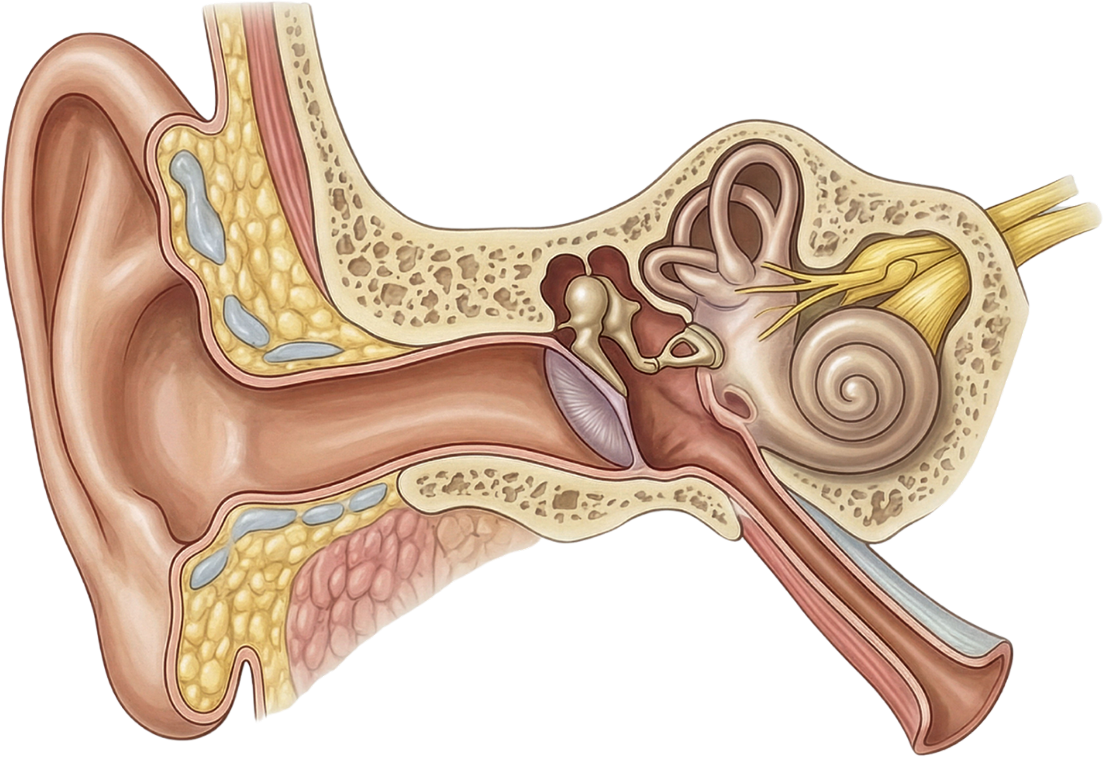
For most parts of your body, you have neighboring blood vessels that can compensate, but not your inner ear.
The cochlea, the spiral-shaped structure in your inner ear that converts sound waves into a signal, is supplied by a single terminal vessel, the labyrinthine artery, an end organ with deficient collateral circulation.
When that supply is restricted, reduced, or interrupted, the cochlea absorbs the full impact.
Inside the cochlea, a tissue called the stria vascularis maintains the precise electrochemical environment that enables hearing.
It depends on a constant flow of oxygen and nutrients.
A large 2025 population study found that hearing loss may serve as an early marker of systemic vascular dysfunction.
Particularly for people managing diabetes, where elevated blood sugar damages the same inner ear microvasculature that cardiovascular disease affects.
Because the cochlea depends on a delicate blood supply, hearing changes may sometimes appear alongside, or even before, other vascular complications.
The Cardiovascular Conditions Most Linked to Hearing Changes

Hypertension, atherosclerosis, elevated cholesterol, and heart disease restrict or injure the blood supply that the cochlea depends on to function.
High blood pressure is both a direct threat and an accelerant.
Sustained elevated pressure damages the linings of blood vessels.
It also accelerates atherosclerosis, the progressive buildup of plaque that narrows the labyrinthine artery over time. A 2024 study found that nearly half of people with hypertension showed measurable hearing impairment: 49.4%, compared to 34.8% of those with normal blood pressure.
That difference appeared across all frequency ranges, not just the high-frequency loss typically associated with aging.
Elevated cholesterol has its own cochlear mechanism.
High LDL and elevated triglyceride levels thicken vessel walls and reduce oxygen flow to inner ear structures.
Research has specifically linked dyslipidemia to sudden sensorineural hearing loss, the abrupt, often one-sided hearing drop that appears without obvious cause or warning.
Heart disease is broadly evident in the prevalence data.
A separate analysis of national health survey data found that individuals managing two or more cardiovascular risk factors carry an estimated 90% increased risk of hearing loss.
These are associations that do not guarantee hearing problems. Having high blood pressure does not mean your hearing will decline, but there is often a clear overlap between the two.
Pulsatile Tinnitus
If the sound in your ears beats in time with your heartbeat, that’s pulsatile tinnitus, and it’s your ear picking up the sound of blood moving through your arteries.
Most tinnitus, the ringing, buzzing, or hissing that many people experience, originates in the hearing system itself.
Pulsatile tinnitus is different. It has a rhythm. It pulses. If you sit quietly and pay attention, you may notice it matches your heartbeat exactly.
It’s the sound of turbulent blood flow in vessels near the ear, and the inner ear is sensitive enough to detect it.
In older adults, the most common underlying cause of pulsatile tinnitus is atherosclerotic carotid disease, plaque buildup in the carotid artery, which changes the way blood sounds as it moves.
Pulsatile tinnitus accounts for about 4% of all tinnitus cases.
The inner ear can sometimes reflect broader vascular health in ways many patients don’t realize
Other symptoms with vascular origins are worth noting: gradual, low-frequency hearing loss; sudden one-sided hearing changes; or a persistent feeling of fullness or pressure in the ear that doesn’t resolve on its own.
A Hearing Test Makes Sense as a Cardiovascular Health Step
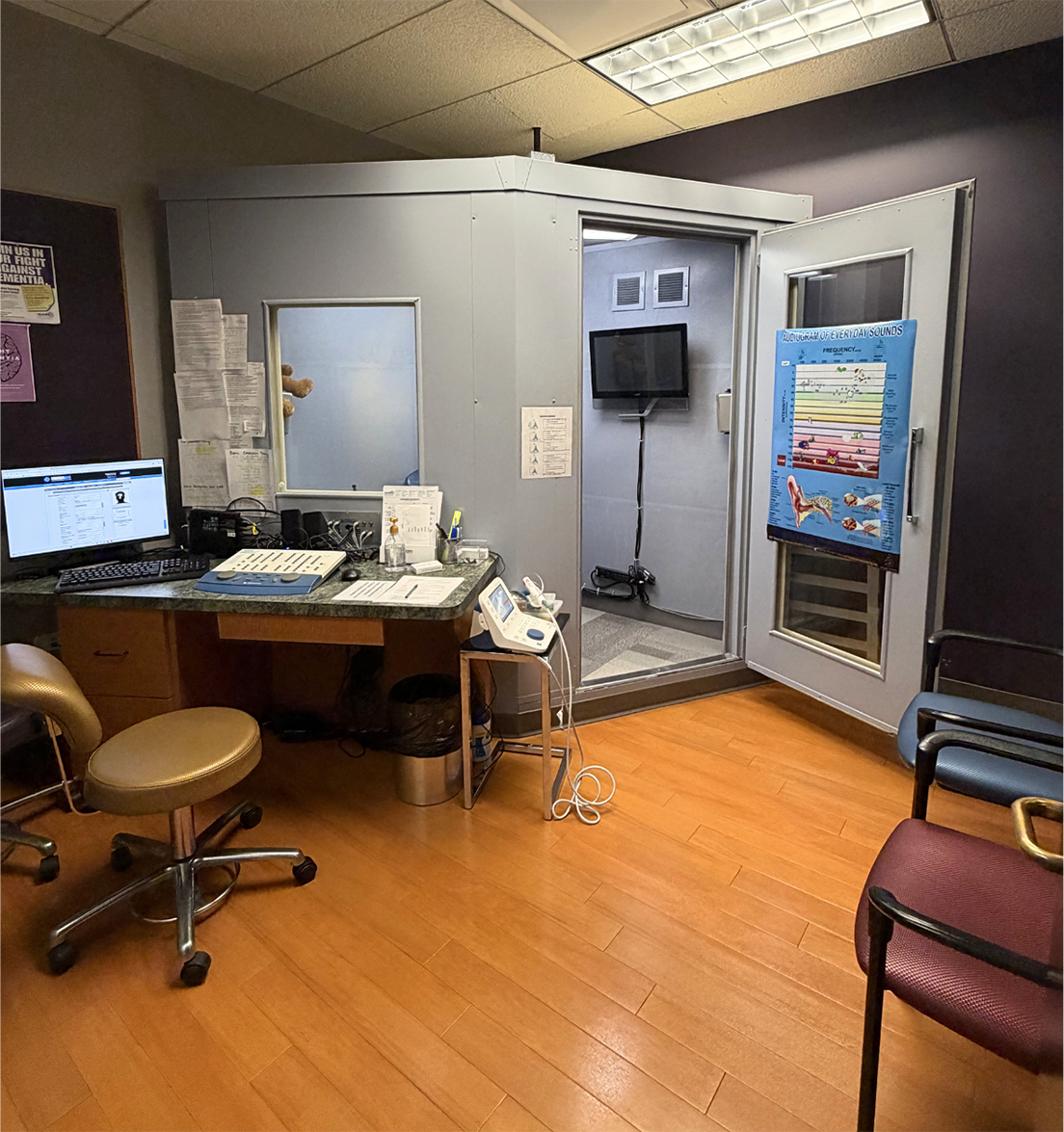
A hearing test can detect changes in cochlear function that reflect how your circulation is performing, and it gives you a documented baseline to track against in the years ahead.
You already monitor your blood pressure. You get your cholesterol checked on a schedule.
Your inner ear is part of the same vascular system, and a hearing evaluation gives you a specific, documented picture of cochlear function at a moment in time.
The pattern of the results (which frequencies are affected, how the loss is distributed, whether it’s symmetrical) can tell an audiologist something about its likely origin.
If you’re managing hypertension, elevated cholesterol, heart disease, or if you’ve experienced any of the symptoms described here, a hearing test is a reasonable addition to the picture you’re already building.
Schedule Your Free Comprehensive Hearing Exam Today
Struggling with hearing loss or cardiovascular issues? Schedule a free comprehensive hearing exam with Hearing Health Center to understand your current situation better and find solutions to any of your hearing problems.
When asking about ears, every audiologist has heard this: “My ears don’t hurt, but they itch a lot!” Whether or not a person uses hearing aids, itching in the ears is very common.
But why?
A lot of things can cause itching all over the body, and the ear is no different. I’ve briefly listed some common causes and solutions, but saved an in-depth look for conditions related to hearing aid issues.
3 Common Causes of Itchy Ears
Itchy ears, while annoying, are often not a sign of more serious problems. Here are the three most common reasons we see patients with itchy ears.
Dry Skin
Itchy, dry skin in the ear canal can be caused by your environment. This includes cold, dry air in the winter and over-air-conditioned air in the summer.
It can also be caused by over-cleaning (especially with cotton swabs, which can absorb natural oils too quickly) and by natural aging.
Solution: Moisturize
A drop or two of an oil like Miracell® in each ear at night will absorb while you sleep and often provides fast relief, but take care to never place oil in an ear that has a history of holes in the eardrum.
Lotion on a little finger or a cotton swab can also be placed in the ear canal.
Often, a humidifier can help with dry skin.
Medical Conditions
Medical conditions such as allergies, outer ear infections like “swimmer’s ear,” and eczema or psoriasis can cause or worsen itching in the ear canal.
Surprisingly, high levels of stress or anxiety can be felt as itching and discomfort all over, including inside the ears.
Solution: Seek Medical Treatment
Ear, nose, and throat physicians can determine whether allergies or ear infections are the issue; physicians specializing in the ears, nose, and throat (“ENTs” or “otolaryngologists”) can prescribe appropriate treatments.
Dermatologists, skin-specialized doctors, can help with diagnoses such as eczema and psoriasis, for which many treatments are available.
If you think stress might be the problem, talk it out with a licensed counselor, psychologist, or psychiatrist.
You may relieve yourself of more than just an itch.
Hearing Aid Issues
Although hearing devices don’t usually cause allergic reactions, there are other ways they might contribute to itching.
If there is a build-up of earwax, a hearing aid can make it worse, causing itching or irritation until the ear is cleaned.
If a hearing aid sits too loosely inside the ear, it can “tickle” the ear canal and cause itching.
If a hearing aid has a very tight fit in the ear and is worn for a very long time each day, moisture can accumulate behind the hearing aid, causing a damp, itchy feeling (kind of like when you sweat in the summertime).
While the hearing aids themselves are usually hypoallergenic, clients rarely experience allergic reactions to cleaning solutions, whether in our clinic or to over-the-counter versions used at home.
Solution: See Your Hearing Care Provider
The hearing care providers at HHC can work with you to assess the fit of your hearing devices (loose/tight) and recommend next steps and other changes or treatments.
We can also look deeply into your ears, a process called “otoscopy,” to see whether dry skin, earwax, or an allergic reaction is the problem.
When in doubt, contact your audiologist.
How to Scratch Your Itchy Ears
There’s nothing else like scratching an itch, but we have some recommendations for how to go about it to avoid causing more problems.
Here are some techniques:
The Push and Wiggle
Placing a finger on the space in front of the ear and “wiggling” can help ease itching with or without a hearing aid in place. This is using the flat of your finger, not your fingernail!
Re- adjust your hearing device
If possible, remove and re-place your hearing aid, or pull the earbud in and out, to apply some pressure inside the ear and scratch that itch.
“Referred” itching
This one is a bit weird…Often used by people with missing limbs, “referred” itching is when you scratch an itch without actually scratching it.
Instead of trying to reach deep inside your ear canal, gently scratching another part of your body (like the back of your hand) while thinking about your itchy ear (“referring” the itch to the ear) can provide surprising relief.
I’ve used this myself when I get an itch on the bottom of my foot in the car. Sometimes it works.
Could Itchy Ears Be Something Serious?
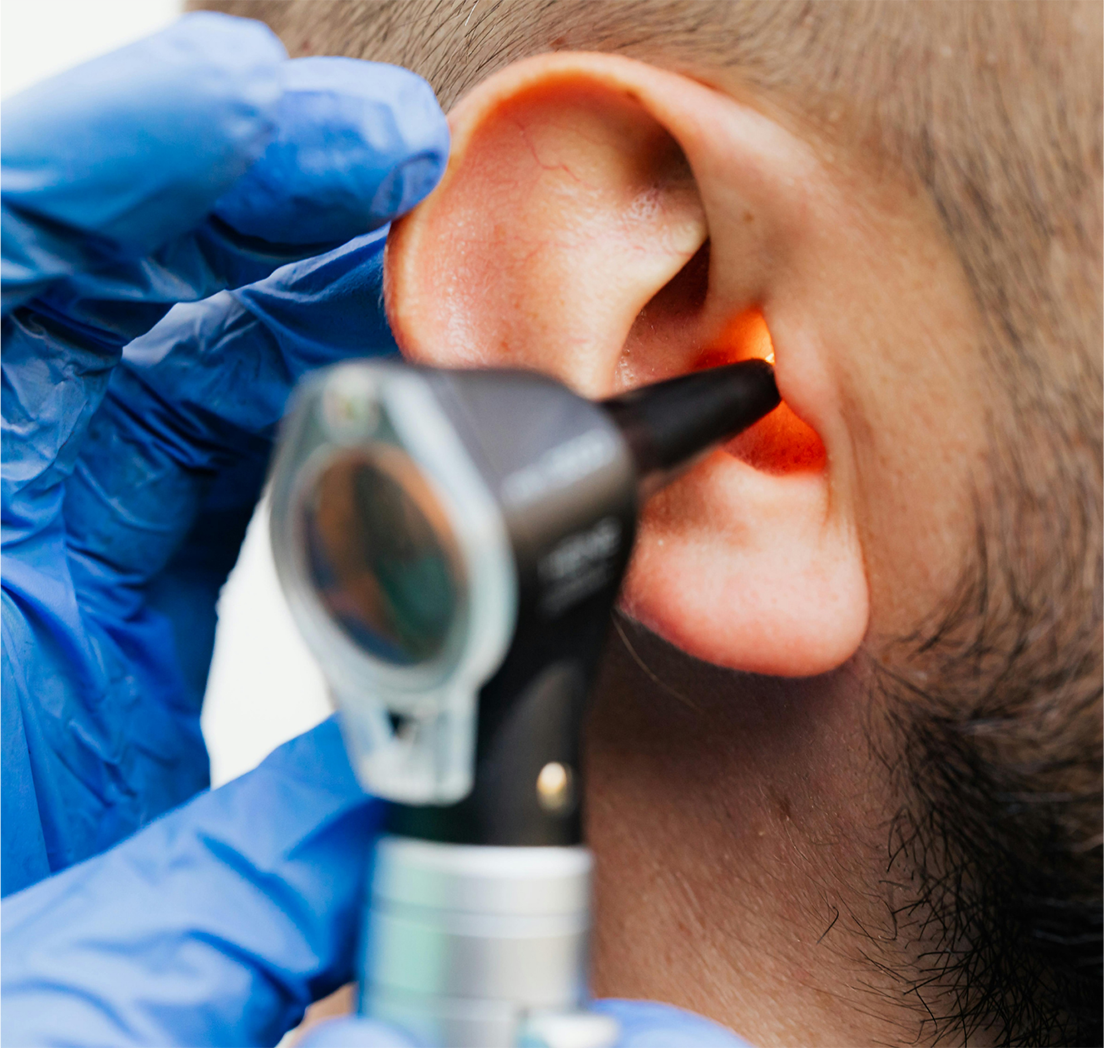
Most ear itching is minor and easily managed, but there are situations where it warrants prompt professional attention.
Contact your audiologist or physician if you experience:
- Persistent itching that doesn’t respond to home remedies after a week or two
- Pain or pressure inside the ear, alongside the itching
- Discharge or fluid coming from the ear canal
- Muffled or changing hearing that coincides with when itching began
- Visible redness or swelling around or inside the ear
- Itching after a recent illness, including some viral infections, like shingles, can affect the ear canal and require prompt medical treatment
These symptoms don’t always mean something serious is wrong, but they’re worth a professional look.
Catching an infection, skin condition, or wax impaction early is almost always easier than waiting it out.
Never Stick Something in Your Ear
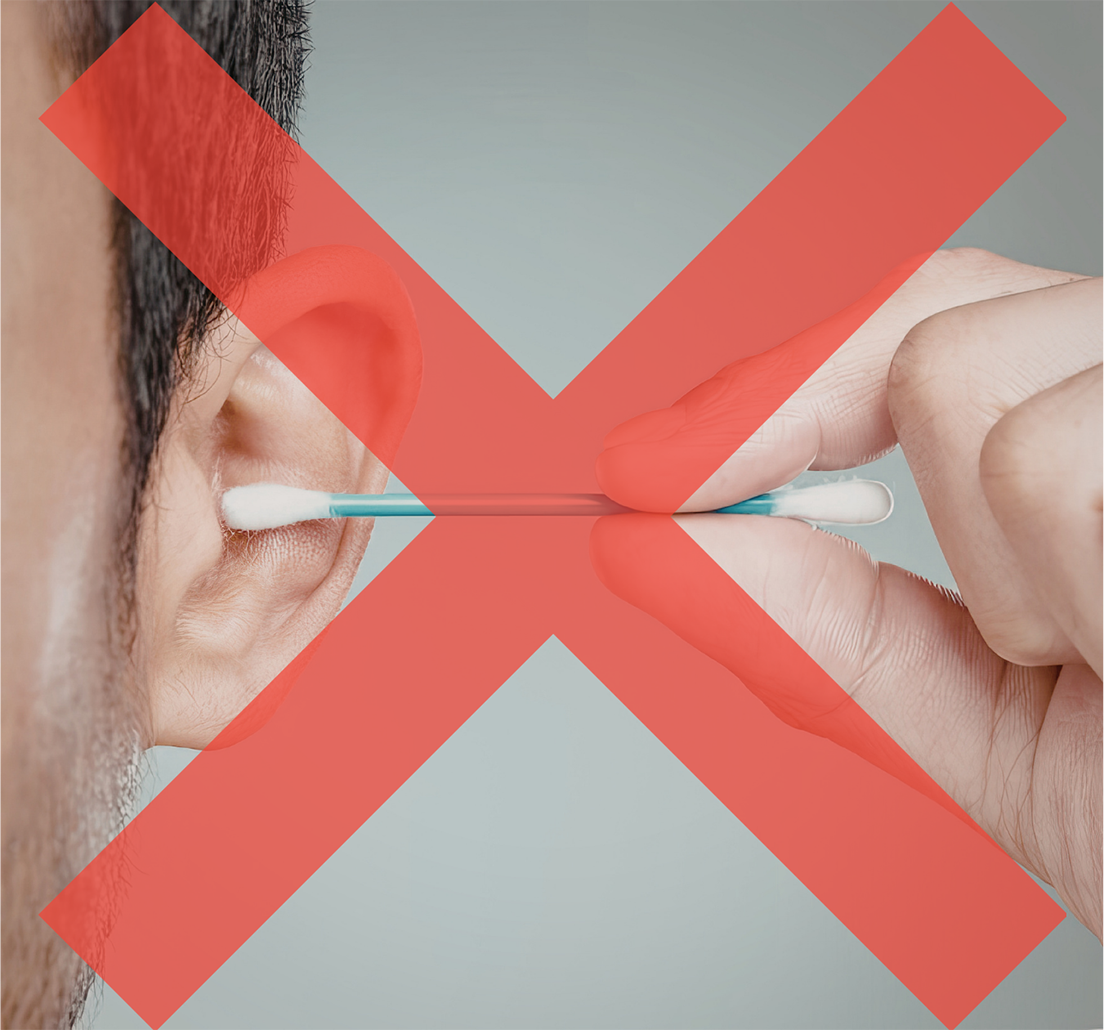
It’s always important to remember, don’t place foreign objects like Q-tips, bobby pins, long fingernails, pens or pencils, paperclips, or golf tees (yes, we’ve been told someone used a golf tee!) in your ears for itching or wax removal.
These objects can push earwax toward the eardrum or cut the skin inside the ear, causing bleeding.
When that cut begins to scab over and heal…it will itch even worse!
Itchy Ears? Dealing with Hearing Loss? Book an Appointment at Hearing Health Center Today!
If itching is persistent, worsening, or accompanied by pain, discharge, or muffled hearing, don’t wait it out.
The team at Hearing Health Center is here to help identify the source and get you comfortable again.
Schedule an appointment at any of our five convenient Chicagoland locations.
Hearing ability is a precious gift that enriches us and helps us connect to the world. Unfortunately, due to hectic lifestyles and impractical choices, hearing loss has become increasingly common, affecting all ages.
But the good news is that many of these cases of hearing loss are preventable. By practicing healthy choices and taking proactive steps, you can safeguard your hearing health for ages to come.
What Is Hearing Loss?
Hearing loss refers to a reduced or diminished ability to pick up on sounds or even understand them. Its severity can range from minor to extreme, depending on the underlying reasons.
This includes ear infections, prolonged exposure to loud sounds, hereditary predisposition, head injury, side effects of a medicine, and aging.
The key to preventing or slowing hearing loss is to understand what is “loud” and to limit exposure. Understand that the louder the volume, the less time you can listen to it before it harms your hearing.
Why Is Hearing Loss Affecting People at Younger Ages?
There are myriad reasons why hearing loss appears to affect people now at earlier ages.
Loud environments and prolonged exposure to extreme volumes, such as recreational activities, concerts, and the constant use of personal audio devices at high volumes, are contributing significantly to hearing damage among young people.
With headphones becoming an everyday staple, constant exposure to loud music is slowly affecting people’s hearing. Add in how some occupations (construction sites, manufacturing facilities, aviation, transportation, and entertainment) regularly expose people to high levels of noise, and young people are more likely than ever to experience hearing loss.
Some medical conditions, such as genetic disorders, infections, and autoimmune diseases, can also lead to hearing loss, especially in younger individuals.
Genetic predisposition can make individuals more prone to hearing issues.
Thanks to cutting-edge diagnostic tools, more and more people are now aware of the importance of hearing health.
This includes improved identification and early detection of hearing loss. You can schedule a free comprehensive hearing exam at Hearing Health Center today.
What Are The Early Signs of Hearing Loss?
It is essential to note the early signs, although they vary by individual or specific type of hearing loss.
If you notice any of these signs or have concerns, connect with the Hearing Health Center team to avoid more serious, long-term damage.
Difficulty Deciphering Conversations
One of the early signs of hearing loss is trouble following conversations, especially in noisy environments.
You may find it challenging to understand what others are saying, leading to repeated questions or requests for clarification.
Increasing Volume
Turning the volume up or asking others to repeat themselves if you find it too loud or extremely loud indicates the onset of hearing loss.
Gradually increasing the volume is a major early sign that most people do not recognize.
Withdrawal from Social Events
Individuals with hearing loss often withdraw from social gatherings or group conversations.
This is the result of difficulties understanding conversations, which then leads to feeling frustrated, embarrassed, and even isolated.
Eventually, individuals will avoid situations that demand extensive communication.
Tinnitus
The perception of ringing, buzzing, or other ghost sounds in the ears is associated with hearing loss.
If you often experience tinnitus, especially with other symptoms such as difficulty hearing, it is advised to have your hearing checked.
6 Ways To Protect Yourself From Hearing Loss
1. Protect Your Ears Against Noise
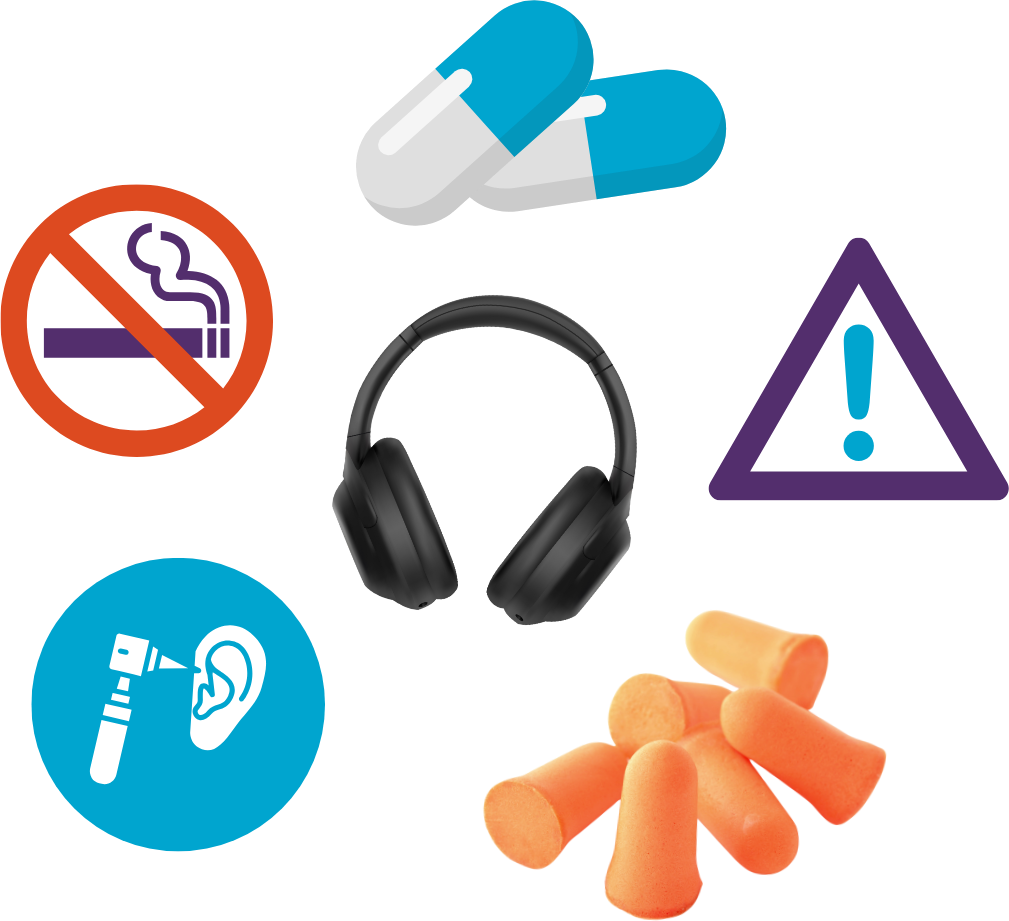
Wear earplugs or muffs to reduce the impact of excessive sound at concerts or sporting events.
When at home, keep the volume at a normal level, especially when listening to music or watching TV, and use headphones.
2. Take Breaks from Noise
Taking regular breaks from noise is advised, especially in loud environments or when wearing headphones.
If you work at a loud site or in a noisy setting, take proper breaks in quieter areas to allow your ears to recover.
3. Be Cautious with Headphones
While earbuds and headphones entertain with convenience, don’t forget that they can be harmful, especially when misused.
Limit your use of headphones or earbuds, and when you do use them, keep the volume at a reasonable level.
Consider using noise-canceling headphones, which block external noise, so you can enjoy music without turning up the volume.
4. Follow a Healthy Lifestyle
Lifestyle factors influence your hearing health.
Avoid smoking; it can contribute to hearing loss. Manage chronic conditions like hypertension and diabetes – they affect your auditory system.
Stay physically active and practice a balanced diet to promote overall well-being, including your ears’ health.
5. Be Cautious with Medicines
Certain medications, also known as ototoxic drugs, damage your hearing.
This means if you are prescribed medication, consult your healthcare professionals about potential side effects on your hearing.
Be vigilant and report any effects or changes in your hearing during or post medication.
6. Schedule Regular Hearing Tests
Like any other routine medical check-up, regular hearing evaluations play a key role in detecting potential hearing loss early.
Schedule an appointment with a trusted audiologist or hearing healthcare expert to monitor your hearing health and address your concerns.
Ready To Protect Your Hearing? Schedule Your Free Hearing Exam Today.
Hearing loss can happen at any age and for many reasons, but fear not.
You can avoid noise-related hearing loss by getting annual hearing health testing, avoiding ear-damaging loud sounds, wearing ear protection muffs around loud noises, and practicing safe headphone usage.
Schedule your free hearing health exam at Hearing Health Center today.
Hearing loss costs a lot more than just your hearing. Every single day, patients walk into our practice not realizing how much they’ve lost financially, physically, and emotionally due to ignored hearing healthcare.
To help patients better understand what untreated hearing loss costs them, we put together this guide that explains how hearing loss impacts every single aspect of your life.
If you’ve ignored your hearing health, or want a check up, schedule a free comprehensive hearing exam with Hearing Health Center today.
How Common is Hearing Loss?
Hearing loss is remarkably common amongst adults. Approximately 15% of adults aged 18 and over in the United States report some hearing difficulty. That’s a little over 37 million people.
Age is the strongest predictor of hearing loss, with the highest percentage occurring between the ages of 60 and 69. Another key factor in hearing loss is exposure to loud workplace noise. 18% of adults have hearing loss at speech frequencies in both ears if they report loud workplace noise, while only 5% have hearing loss if they don’t.
Tinnitus is a concern as well. Around 10% of the adult population in the United States has experienced tinnitus, rising to 14% when worldwide totals are included.

One of the trickiest parts of dealing with hearing loss is that it’s often gradual. That means over time, you slowly lose your hearing until one day, poof, you recognize you can’t hear as well as you once did. Subconsciously, your brain might do more lip-reading, or strain so you don’t have as much of an idea how much you’re being affected until it’s too late.
Some physicians do not routinely perform hearing exams during physicals, which means gradual hearing loss could be occurring without you even realizing it.
The best and most effective way to gain a better understanding of your hearing health is to schedule an exam with a trained audiologist. At Hearing Health Center, our team performs a comprehensive hearing exam that gives you a clearer picture of your hearing health and the steps you can take to prevent hearing loss and reduce long-term costs.
The Monetary Costs of Hearing Loss
The 83% of people on Earth suffering from untreated hearing loss account for costs of nearly $980 billion per year. That total is around 6 % of GDP per capita.
According to a study led by researchers at the Johns Hopkins Bloomberg School of Public Health, “older adults with untreated hearing loss generated an average of 46 percent more in total health care costs over 10 years versus those who don’t have hearing loss.” In dollars, that’s a little over $22,000 over 10 years.
Broken down further, people with hearing loss incurred nearly 26 percent more total health care costs over two years than those treated.
But what is most costly is the hospital stay data. After 10 years, patients with untreated hearing loss were hospitalized 50% more often; 44% of those people were at higher risk of hospital readmission within 30 days, and had about 52 more outpatient visits than those without hearing loss.
Another study calculated the extent to which untreated hearing loss affected household income. They found that people with the highest level of hearing loss earned $12,000 less per year than those with minimal to no hearing loss.
Simply put, the data shows that untreated hearing loss means you’ll earn less and spend more on healthcare costs in the future.
Don’t let untreated hearing loss cost you your hard-earned money; schedule your hearing exam today.
The Health Costs of Hearing Loss
The most obvious cost of hearing loss is, of course, the inability to hear. But what most patients do not realize is that their hearing health affects the entire body, including brain function, balance, and overall well-being.
When someone loses their hearing, they become much more at risk of dementia. A 2020 report lists hearing loss as one of the significant contributors to dementia, as hearing loss requires your brain to work extra hard to understand and fill in missing gaps.
The more your brain works on these tasks, the more energy is taken away from thinking memory systems. Another possibility is that hearing loss causes an aging brain to shrink faster, thus leading to dementia.
As of today, hearing loss is attributed to around 8% of all new dementia cases, or around 800,000 every year.

Another danger of hearing loss is its effect on someone’s balance. The vestibular system in your ear helps detect the head’s positioning and the space around you. Hearing loss can negatively affect these neurons and sensors, thereby increasing the risk of falling.
There are two additional factors to consider.
The first is that auditory input is lowered with hearing loss, which then affects the brain’s ability to understand spatial information. Without being able to comprehend the area around you fully, you end up more likely to slip or fall.
Another aspect to consider is that, because your brain is working harder to understand sounds, it leaves less space to understand your surroundings. Your brain is focusing too much on one thing, leaving you more likely to ignore the space around you.
Your hearing health is more than just that: proactive action to protect yourself can help prevent serious, long-term issues.
The Social and Emotional Costs of Hearing Loss
Loss of hearing comes at a price for your mental health as well. Nearly 33% of adults 70 or older suffer from hearing loss that impacts their daily communication, which, as a result, leads to further isolation.
This isolation then leads to depression and an overall decrease in your well-being.

People who are hard of hearing become embarrassed by constantly asking others to repeat themselves, or frustrated when talking with family members, when they can’t understand them. Studies have shown that once these incidents occur frequently, people isolate themselves, leading to less-happy lives and even shorter lifespans.
There’s also the lesser-known effect of hearing loss: missing nuance in meetings and how that impacts work promotions.
Between isolation and the negative emotional impacts, it’s an easy solution to start focusing on your hearing health as soon as possible.
How Can Early Treatment of Hearing Loss Help You?
Early interventions for hearing loss limit many of the short- and long-term negative health and financial effects that cost people thousands of dollars each year.
Financially, you are not only more likely to make money with early hearing loss interventions, but you’re also less likely to spend money on hospital visits due to injuries sustained as a result.
There’s also the financial savings that come with being less likely to fall and injure yourself, and lowering the risk of dementia or other brain-related diseases.
Hearing aids are statistically more likely to lessen the likelihood of social isolation, thus reducing the chances of dementia. While treatment has not been proven to to prevent dementia, early research is promising.
Early interventions and treatment give people back the life they deserve, so don’t wait any longer and get your hearing checked today.
Need a Hearing Test? Contact Hearing Health Center Today!
Struggling with your hearing lately? Want to get checked early before something goes wrong?
Call Hearing Health Center today and schedule a free comprehensive hearing exam to get you started on your hearing health journey.
Don’t let hearing loss cost you your life, schedule your appointment today.
Walter Jacobson interview Dr. Ronna Fisher, founder of the Hearing Health Centers in Chicago and the Fisher Foundation for Hearing on hearing loss …
Your ears are the gateway to your heart. Researchers believe that early cardiovascular problems can be detected by testing your hearing …
Hearing Health Center’s Dr. Sarah Schwartzer, an audiologist and balance specialist, offers this informative video that explains the link between …
The quality of our life is greatly influenced by the strength of our hearing. From our ability to communicate to simply being able to balance …
 This is the rallying cry from baby boomers all over the country that ruined their hearing going to concerts and listening to loud music.
Millions of baby boomers are experiencing the foibles of their youth and suffering the consequences.
“My average patient used to be in their late seventies,” said Dr. Ronna Fisher, AuD. Of Hearing Health Center. “Today my average patient is in their early sixties.” Fifty percent of people over the age of sixty have a significant hearing deficit that interferes with their everyday life.
Yet, at the same time, some of these baby boomers still perceive hearing problems as an old person’s issue. “They still think, “hearing = old,” and refuse to recognize and admit they have difficulty hearing and understanding,” said Dr. Fisher.
“Hearing loss runs in my family,” proclaimed Dr. Fisher, who has been wearing hearing aids since she was fifty. “At first, I used to think, ‘I’m too young to wear hearing aids. Then I realized, I’m too young not to wear hearing aids.”
Baby boomers are all about living longer, being more active and communicating their vast knowledge…to their employees, to their children, and anyone else willing to listen to their wisdom.
Astute baby boomers understand that communicating is a two-way street. making the rest of their lives the best of their lives. And they’re realizing that it’s all about communicating.