
Hearing ability is a precious gift that enriches us and helps us connect to the world. Unfortunately, due to hectic lifestyles and impractical choices, hearing loss has become increasingly common, affecting all ages.
But the good news is that many of these cases of hearing loss are preventable. By practicing healthy choices and taking proactive steps, you can safeguard your hearing health for ages to come.
What Is Hearing Loss?
Hearing loss refers to a reduced or diminished ability to pick up on sounds or even understand them. Its severity can range from minor to extreme, depending on the underlying reasons.
This includes ear infections, prolonged exposure to loud sounds, hereditary predisposition, head injury, side effects of a medicine, and aging.
The key to preventing or slowing hearing loss is to understand what is “loud” and to limit exposure. Understand that the louder the volume, the less time you can listen to it before it harms your hearing.
Why Is Hearing Loss Affecting People at Younger Ages?
There are myriad reasons why hearing loss appears to affect people now at earlier ages.
Loud environments and prolonged exposure to extreme volumes, such as recreational activities, concerts, and the constant use of personal audio devices at high volumes, are contributing significantly to hearing damage among young people.
With headphones becoming an everyday staple, constant exposure to loud music is slowly affecting people’s hearing. Add in how some occupations (construction sites, manufacturing facilities, aviation, transportation, and entertainment) regularly expose people to high levels of noise, and young people are more likely than ever to experience hearing loss.
Some medical conditions, such as genetic disorders, infections, and autoimmune diseases, can also lead to hearing loss, especially in younger individuals.
Genetic predisposition can make individuals more prone to hearing issues.
Thanks to cutting-edge diagnostic tools, more and more people are now aware of the importance of hearing health.
This includes improved identification and early detection of hearing loss. You can schedule a free comprehensive hearing exam at Hearing Health Center today.
What Are The Early Signs of Hearing Loss?
It is essential to note the early signs, although they vary by individual or specific type of hearing loss.
If you notice any of these signs or have concerns, connect with the Hearing Health Center team to avoid more serious, long-term damage.
Difficulty Deciphering Conversations
One of the early signs of hearing loss is trouble following conversations, especially in noisy environments.
You may find it challenging to understand what others are saying, leading to repeated questions or requests for clarification.
Increasing Volume
Turning the volume up or asking others to repeat themselves if you find it too loud or extremely loud indicates the onset of hearing loss.
Gradually increasing the volume is a major early sign that most people do not recognize.
Withdrawal from Social Events
Individuals with hearing loss often withdraw from social gatherings or group conversations.
This is the result of difficulties understanding conversations, which then leads to feeling frustrated, embarrassed, and even isolated.
Eventually, individuals will avoid situations that demand extensive communication.
Tinnitus
The perception of ringing, buzzing, or other ghost sounds in the ears is associated with hearing loss.
If you often experience tinnitus, especially with other symptoms such as difficulty hearing, it is advised to have your hearing checked.
6 Ways To Protect Yourself From Hearing Loss
1. Protect Your Ears Against Noise
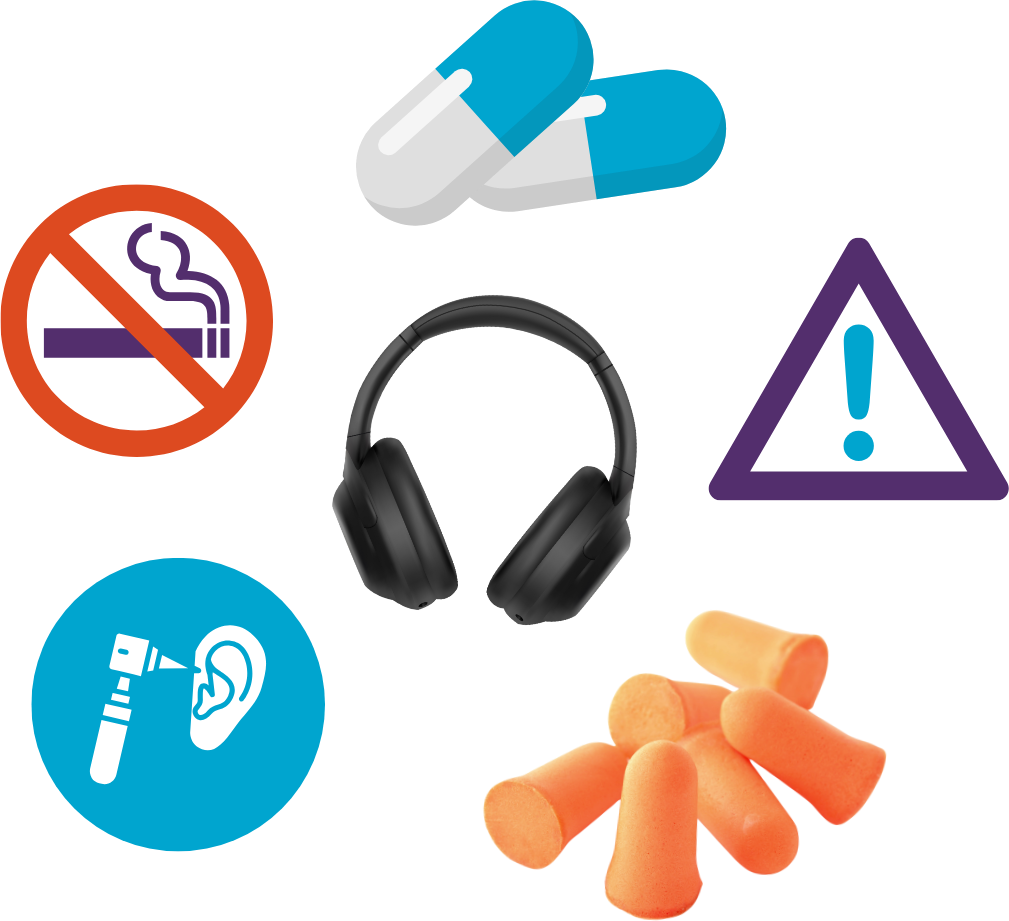
Wear earplugs or muffs to reduce the impact of excessive sound at concerts or sporting events.
When at home, keep the volume at a normal level, especially when listening to music or watching TV, and use headphones.
2. Take Breaks from Noise
Taking regular breaks from noise is advised, especially in loud environments or when wearing headphones.
If you work at a loud site or in a noisy setting, take proper breaks in quieter areas to allow your ears to recover.
3. Be Cautious with Headphones
While earbuds and headphones entertain with convenience, don’t forget that they can be harmful, especially when misused.
Limit your use of headphones or earbuds, and when you do use them, keep the volume at a reasonable level.
Consider using noise-canceling headphones, which block external noise, so you can enjoy music without turning up the volume.
4. Follow a Healthy Lifestyle
Lifestyle factors influence your hearing health.
Avoid smoking; it can contribute to hearing loss. Manage chronic conditions like hypertension and diabetes – they affect your auditory system.
Stay physically active and practice a balanced diet to promote overall well-being, including your ears’ health.
5. Be Cautious with Medicines
Certain medications, also known as ototoxic drugs, damage your hearing.
This means if you are prescribed medication, consult your healthcare professionals about potential side effects on your hearing.
Be vigilant and report any effects or changes in your hearing during or post medication.
6. Schedule Regular Hearing Tests
Like any other routine medical check-up, regular hearing evaluations play a key role in detecting potential hearing loss early.
Schedule an appointment with a trusted audiologist or hearing healthcare expert to monitor your hearing health and address your concerns.
Ready To Protect Your Hearing? Schedule Your Free Hearing Exam Today.
Hearing loss can happen at any age and for many reasons, but fear not.
You can avoid noise-related hearing loss by getting annual hearing health testing, avoiding ear-damaging loud sounds, wearing ear protection muffs around loud noises, and practicing safe headphone usage.
Schedule your free hearing health exam at Hearing Health Center today.
I did the research so you don’t have to.
Understanding Traditional Medicare vs. Advantage Plans
Traditional Medicare
Traditional Medicare is operated by the government and is a combination of Medicare Parts A (hospitalization) and Parts B (Physicians and testing), and Part D (drug plan). Traditional Medicare covers 80% of your health care costs. To cover the remaining 20%, you must buy a Medigap, or supplemental, policy.
Cost
The cost for traditional Medicare for 2026 is estimated to be $206.50 monthly. The cost for a supplemental plan (G Plans), the most popular supplemental plan costs $100-$200/month.
Traditional Medicare
The Good News
- You cannot be turned down for the best, most comprehensive (and expensive) plan (currently Plan G), even if you already have health issues.
- Almost all doctors and hospitals accept Traditional Medicare. You have the widest access to health providers.
- Out-of-pocket costs are limited to the annual Park B deductible, estimated at $288 in 2026.
The Bad News
- The premium for a supplemental policy is more than for Advantage Plans.
- You still must buy a separate drug plan (Part D).
Advantage Plan
Advantage plans are operated by private insurance companies that contract with Medicare.
Cost
You still must pay the cost for traditional Medicare (estimated 2026 premium of $206.50/month.
Advantage Plans
The Good News
- They often include additional benefits (dental, vision, hearing), that traditional Medicare does not cover.
- They usually include coverage (Part D), which is extra in Traditional Medicare.
The Bad News
- Many doctors and hospitals are dropping out of Advantage Plans because of declining reimbursement and paperwork nightmares.
- They require permission for testing and limited access to physicians and hospitals that are part of the group. Going out of network can mean higher costs or no coverage at all.
- Prior authorization is required for many services, which can delay or prevent needed care.
- Although premiums may be lower, Advantage Plans have higher co-payments, deductibles, and out-of-pocket maximums (in 2025, the out-of-pocket maximum for Medicare Advantage Plans is $9350 for in-network services).
- They may not offer coverage outside of their service area, which can be a problem when you travel.
Bottom Line
- Open enrollment occurs from Oct. 15th to Dec. 7th. This is the only time you can choose or change plans.
- Check the notice your current plan sent you. How much have premiums and costs risen? Are your doctors and hospitals still in the Plan?
Resources to help you:
- Medicare.gov
- eHealth.com
- Boomerbenefits.com
- For personalized help, make sure you use a licensed individuals – not from an Advantage salesperson who earns a larger commission for selling those plans.
The ear is a dark, warm, moist place…the perfect environment for growing fungi, germs, and bacteria. Hearing aids reside in this environment 13 to 16 hours/day.
Guess what? Every time you remove your hearing aid from your ear, it is loaded with fungus, germs, and bacteria.
Reinserting your hearing aids without cleaning, sanitizing, and disinfecting them can irritate the lining of your ear canals, leading to redness, swelling, itching, pain, unpleasant odors, and infections.
Here are our best tips on how to clean and disinfect your hearing aids.
Do I Have To Clean or Disinfect My Hearing Aids?
There are three key reasons why you should always clean and disinfect your hearing aids:
- Protect your ears
- Upkeep for optimal performance
- Avoid broken parts
A hearing aid, similar to an earbud or any type of headphone that sits in your ear, collects earwax, dirt, dust, and debris over time. While little bits of that won’t hurt, over time, all of those materials mixed within your ear can lead to ear infections and skin irritations.
Long-term, you might experience other ear-pain-related issues, all because you didn’t clean your hearing aids.
Like most electronics, the better you take care of them, the better they’ll work. Hearing aids are no different.
To maintain your ability to hear and the clarity with which sound comes through your hearing aid, you must clean it regularly. Debris (especially earwax and moisture) clogs microphones, receivers, and vents.
And of course, when your hearing aids start to break down, they just won’t last as long. Well-maintained hearing aids can last anywhere from 3 to 7 years, but if you aren’t keeping up with cleaning, that time will shorten quickly.
While Hearing Health Center is always ready to help with any repairs you might need, we also want your hearing aids to last as long as possible to save you money and protect your hearing.
How To Clean Your Hearing Aids
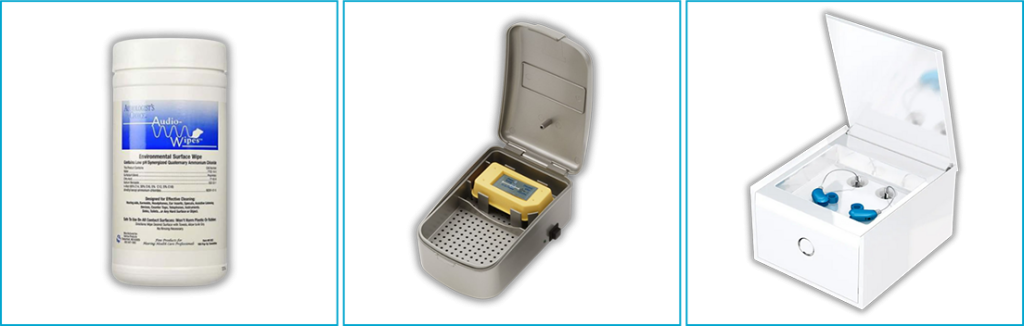
Step 1: Wipe with a non-alcohol sanitizing wipe (like Audio Wipes).
Step 2: Keep your hearing aids in a drying system (Dry and Store) or the new (PerfectClean) explicitly designed to sanitize and pull out the moisture inside the hearing aids that accumulated from your ear.
Drying systems utilize desiccants and heated, moving air to dry the hearing aid both inside and out. The built-in ultraviolet light sanitizes and kills germs while removing moisture.
Using a drying kit will:
- Increase the life of your hearing aids
- Prevent costly repairs
- Increase battery life
- Maintain the peak performance of your hearing aids
- Relieve itchy ears by killing germs
**Pro Tip!** Never use alcohol on hearing aids or ear molds. It will ruin and erode the surfaces and special plastic materials used in the manufacturing process. Alcohol will also damage the delicate components of the hearing aid.
What NOT To Do When Cleaning Your Hearing Aids
1. Do NOT use household cleaning products to clean hearing aids.
It might be tempting to grab something underneath your sink to clean out your dirty hearing aids, but let me stop you there.
Not only could the chemicals cause your hearing aids to malfunction, but certain products may also harm your ears.
Instead, stick to cleaning products specifically designed for use with hearing aids. If you have any questions, don’t hesitate to ask a member of the Hearing Health Center team.
2. Do NOT use sharp objects to clean hearing aids.
The products around your house, such as pins, needles, or even pencils, should never be used to clean something out of your hearing aids.
If an object is sharp, you have a good chance of puncturing and scratching the inner workings of your device, which increases the likelihood of breakage.
3. Do NOT submerge hearing aids in water to clean them.
We know it sounds obvious, but hearing aids are not waterproof. They might be water-resistant, but that isn’t the same thing. Instead, use a damp cloth with hearing aid-specific cleaning products to wipe them down.
4. NEVER use compressed air to clean hearing aids.
Your hearing aids are fragile, so a single blast from a can of compressed air could cause a lot of problems. The power is too much for the inner workings of your hearing aids to function, so whatever you do, do not use compressed air.
Need Help with Your Hearing Aids? Call Hearing Health Center Today.
Whether your hearing aids need tuning up or you’re in the market for a new pair, the team at Hearing Health Center has you covered. Our experienced audiologists conduct a comprehensive hearing exam to ensure your hearing aids are a perfect match for your needs.
Don’t delay; call Hearing Health Center or schedule an appointment online today.
You get out of the shower or start getting ready for the day, and you see a Q-tip on your counter. Next thing you know, it’s swirling around in your ear, only to make things muffled or hard to hear.
It’s pretty standard for patients to think they can clean their own ears, but unfortunately, it often leads to a pretty bad experience.
Let’s take a look at some of the most common earwax cleaning myths and why you should work with an audiologist the next time you think you might have too much earwax.
Why Do I Have Earwax?
EWWW…EARWAX! DISGUSTING!
Why is everyone so grossed out by earwax?
Well, for one, it looks gross. It’s brown, greenish, gunky and sometimes gooey and sticky. Just seeing it can make you feel unclean and in need of hygiene.
But get over it! Everyone has earwax.
And, it’s a good thing you do, or you’d be in a lot of trouble.
There’s a reason you have earwax. It creates a waterproof lining in your ears that keeps them dry, which prevents germs and bacteria from causing constant infections.
Earwax traps dirt and dust, and little pieces of cotton (from those nasty Q-tips), and all the stuff that gets stuck in the hairspray you accidentally sprayed in your ears.
Wax keeps your ears lubricated and repels fungi, insects, and water.
Earwax has a purpose. It protects your ears.
Are There Different Kinds of Earwax?
Having too little earwax or over-cleaning your ears can cause dry, flaky, and itching ears and trigger infections.
Some wax is dry and flaky, and some wax is gooey and sticky. What kind you have is basically genetic. In general, Asians have dry earwax while European and African populations produce “wet” earwax.
Should I Clean My Own Ears?
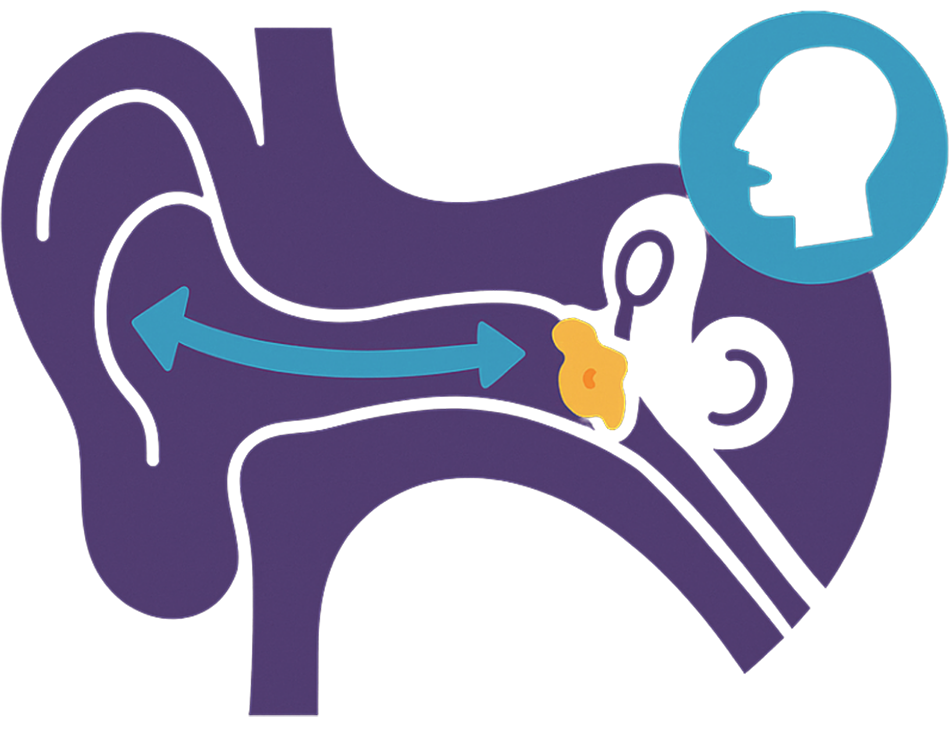
GET THAT Q-TIP, BOBBY PIN, PEN KNIFE, SAMURAI SWORD OUT OF YOUR EAR!
Most ears are self-cleaning. Every time you chew or talk, the movement of your jaw causes the dusty, germ-laden wax to be pushed toward the opening of your ear, where it usually flakes and falls out. Meanwhile, the glands in your ear canals are producing new, protective, fresh wax.
When you stick objects in your ear, you’re really not helping. You’re pushing all the wax deeper into the canal and causing it to keep building up. Then the wax gets impacted.
- You get hearing loss
- You get an earache
- You get tinnitus (ringing in your ear)
- Your ears itch
- Your ears smell bad
- You puncture your eardrum
5 Things That Can Cause Excessive Earwax Build-Up
There are five main reasons why you might have excessive earwax. Some of these are things you can control, whereas others are just part of our genetics.
- The number one cause of excessive wax buildup is self-cleaning attempts.
- Genetics – some people just produce too much. It runs in the family
- Headphones*
- Hearing aids*
- Age – the ears produce less moisture, and the ear canals can narrow, causing the dry wax to get stuck.
*Your ears need to breathe and get air. Wearing headphones and using hearing aids can block the ears from performing their natural self-processing.
Common Earwax Cleaning Myths
We get patients every day who tell us about something they’ve heard online, or from a friend about cleaning their ears. Next thing you know, they tried something, and it made everything worse.
Here are some of the most common earwax cleaning myths we’ve heard:
Myth: Ear candling is a safe and effective way to remove earwax and toxins.
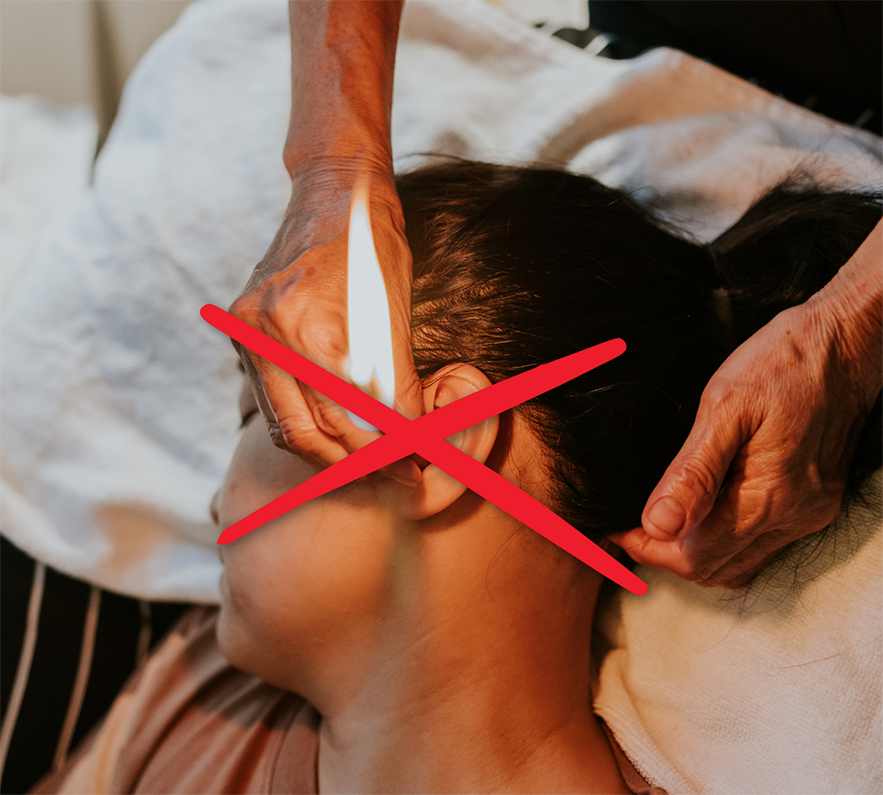
Ear candling, or ear coning, involves placing a lit, hollow candle into the ear canal, with the belief that it creates suction to draw out earwax and impurities.
Medical experts and scientific studies have consistently debunked this practice as both ineffective and highly dangerous.
It does not remove earwax; instead, it can lead to severe burns, introduce candle wax into the ear canal, cause ear infections, or even puncture the eardrum.
The residue found in candles after use is typically just candle wax and soot, not earwax.
Myth: You should clean your ears daily to maintain good hygiene.
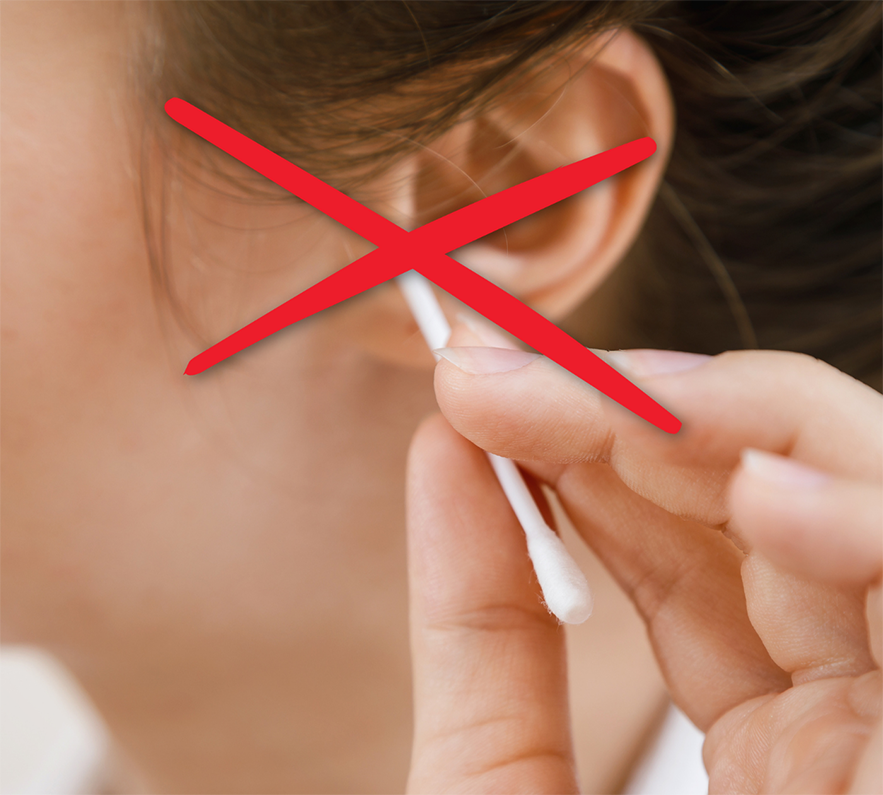
While it’s important to keep the outer ear clean, the inner ear canal is remarkably self-cleaning.
Your ears are designed with a natural “conveyor belt” system, where old earwax is gradually moved out of the ear canal through jaw movements (like chewing and talking).
Attempting to clean your ears daily, especially by inserting objects, can disrupt this natural process, push wax deeper, and cause more problems than it solves.
For most people, simply wiping the outer ear with a damp cloth is sufficient.
Myth/Fact: Over-the-counter ear drops are a universal solution for all earwax problems.
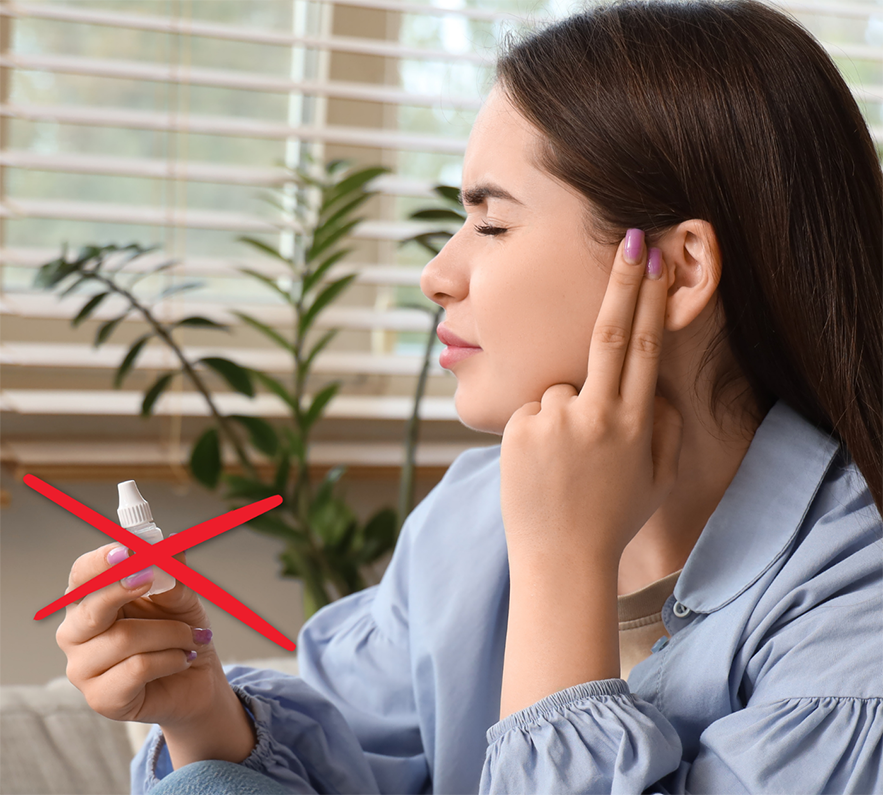
Ear drops can help soften earwax, which can aid in its natural expulsion or make professional removal easier.
Many over-the-counter drops contain ingredients like hydrogen peroxide or carbamide peroxide that work to break down earwax.
However, they are not a universal solution.
Ear drops should be used with caution and often under the guidance of a healthcare professional, especially if you suspect you have a perforated eardrum, an ear infection, or ear tubes.
For significant or impacted earwax, drops alone are usually not enough, and professional removal by an audiologist or doctor remains the safest and most effective method.
Cleaning Your Ears Isn’t a DIY Project. Call Hearing Health Center Today to Get Your Ears Cleaned Today.
Cleaning your ears isn’t a do-it-yourself project. Even if you use an over-the-counter remedy, how do you know if it worked? You can’t see what you’re doing in there.
If you think you have earwax buildup, do NOT try to fix it yourself. Your audiologist or doctor can remove it quickly, easily, comfortably, and professionally.
Schedule an appointment with one of our audiologists at Hearing Health Center for a comprehensive hearing exam and be on your way to better hearing.
Is it the laser, or is it the Ophthalmologist that saved your vision?
Is it the artificial heart, or is it the surgeon that saved your life?
All hearing aids are a piece of plastic. Granted, some pieces of plastic are more expensive than others depending on the electronic components and computerized technology inside the plastic. But essentially, hearing aids are plastic devices.
So, is it the piece of plastic, or is it the provider you see that’s behind successful use and adaptation to hearing aids?
Purchasing hearing aids online and at retail establishments might be tempting to save money, but they lack the critical elements for successful hearing aid use and satisfaction:
- Lack of professional evaluation may not accurately reflect your true hearing ability and may miss a medical or surgical problem.
- Without professional and personalized fitting, the hearing aids may not sit correctly in your ears causing pain, discomfort, and slippage.
- Inadequate programming can lead to over or under amplification.
- You may be on your own for troubleshooting issues or adjustments.
- Lack of regular maintenance can cause more breakdowns and repairs.
While online and retail purchased hearing aids might offer a lower upfront cost, the potential for poor fit, improper programming, and lack of support and ongoing care can render the hearing aids ineffective. You’ve wasted your money.

In a recent study by the National Institutes of Health, the number one reason for success and satisfaction with hearing aids is the hearing care provider.
Hearing aids are medical devices regulated by the FDA and are only available through licensed hearing care providers.
Hearing care providers, specifically doctors of audiology, are exceptionally trained and educated to diagnose the cause of hearing and balance problems, including tumors, growths, and infections. If the problem is not medically or surgically treatable, doctors of audiology have a comprehensive understanding of the software and algorithms of the different hearing aid manufacturers.
You are unique. Your brain, lifestyle, needs, and sound preferences are different from your best friend or neighbor. Audiologists assess all the above before determining which hearing aids would be best for you.
The fitting, programming and adjustments of the hearing aids are personalized for your brain’s processing ability and your listening preferences to ensure optimal performance and comfort.
Ongoing support and continuity of care are essential for optimal results and long-term hearing health. Hearing aids are not a one-shot deal. They are a lifetime. Just like teeth, hearing aids need regular checkups and maintenance. Just like your vital statistics, your prescription can change. Yearly hearing evaluations are crucial so adjustments can be made to accommodate any changes to your hearing and brain processing ability.
Bottom line: See an audiologist for the best outcome and satisfaction with your hearing aids.

We live in a digital age. With a click of a button, you can download your favorite movies. You can order the latest clothing trends.
You can even have your groceries delivered right to your door. So what about having your hearing aids delivered to you? Sure, the convenience and relative ease might be convincing.
But how do you know you’re really getting the hearing help you need?
The Convenience of Online vs. The Value of Professional Hearing Care
The hearing industry has experienced tremendous growth over the last 25 years.
We no longer see the “big beige bananas” earphones that plagued those with hearing problems in the past.
Now, hearing aids are small, discrete, and more technologically advanced than ever.
But you wouldn’t buy a pair of glasses without knowing your prescription, would you? The same principle should apply if you’re purchasing hearing aids.
The difference maker between online purchases and in-office ones is the trained Doctor of Audiology, who fits and sets up the hearing aids.
Unless your hearing aid is programmed directly for your needs—your physical ear, your lifestyle, your audiometric hearing loss—you won’t be getting the hearing help you need.
Instead, you’ll be left to figure it out yourself, leading to a lackluster hearing experience.
Why Professional Diagnosis is Non-Negotiable for Your Hearing Health

When it comes to your hearing, a professional diagnosis isn’t just a recommendation—it’s non-negotiable.
Why?
Before we even think about hearing aids, our Doctors of Audiology perform extensive testing to pinpoint the exact cause of your hearing problems.
Hearing loss isn’t always as straightforward as needing a volume boost.
Sometimes, hearing loss can be something easily treatable, such as a simple buildup of earwax. Other times, it’s a sign of a more serious medical issue.
You don’t and can’t know on your own.
Plus, without a medical diagnosis, you could end up spending a significant amount of money on a hearing aid you don’t even need.
We don’t want our patients to fall for the trap of an online solution when what they truly need is a precise and professional diagnosis.
The Role of Your Audiologist
There are four key roles your audiologist takes on when you come in with hearing problems: diagnosis, programming, fitting, and repairs.
At one of your first appointments, and before ever discussing hearing aids with you, Doctors of Audiology perform extensive testing to determine the root cause of your hearing problems. These simple tests are comprehensive and enable you to gain a thorough understanding of your current hearing health.
Without a doctor’s diagnosis, you could be scammed into paying for a hearing aid online that you do not need.
Once we’ve discussed your hearing aids, your audiologist will take the time to assist you in programming them.
Remember, hearing aids are not just volume controls.
Hearing aids have to be specifically programmed to help you hear the sounds you are missing.
Without a comprehensive test, even the best hearing aids can’t help you because they won’t be programmed to your needs.
Of course, you also want the right fit for your hearing aids. These must always be customized to the specific user.
If you purchase hearing aids online, there is no guarantee that they will fit your ears properly.
And in the unlikely event that something breaks, like any piece of equipment, your audiologist has the capabilities to repair and assist with any issues you might encounter.
Rather than having to fill out online forms or mail your hearing aids, Hearing Health Center can help you right away.
A Personalized Approach to Hearing Health

Your ears are as unique as your fingerprints, and your hearing loss pattern is entirely individual.
This is precisely why a personalized approach to hearing aid fitting and programming is a crucial step in your hearing health journey.
Without custom programming based on a comprehensive audiometric test, even the most advanced hearing aid technology will fall short.
It would be like trying to navigate a complex city with a generic map when you need a detailed GPS.
A personalized approach means your hearing aids are an extension of you, not a one-size-fits-all solution.
Is an Online Bargain Truly a Better Value?
While a pair of online, over-the-counter hearing aids might retail for anywhere from $300 to $2,000, professionally fitted prescription hearing aids, which often include comprehensive services, are a bit more expensive.
At first glance, that price difference feels substantial.
But remember, that online “bargain” often doesn’t account for crucial elements like a professional diagnosis, custom programming tailored to your unique hearing loss, or personalized fitting for optimal comfort and effectiveness.
These aren’t just “add-ons”; they are the foundational pillars of successful hearing aid use.
Without a proper diagnosis, you may purchase an unnecessary device or one that fails to address the root cause of your hearing issues, resulting in wasted money.
If the fit is poor, you’ll experience discomfort and likely won’t wear them consistently, rendering your investment useless.
Is it really a bargain if you’re not hearing your best?
Ready to Improve Your Hearing? Call Hearing Health Center Today!
Want to experience the difference by working with Hearing Health Center? Our team delivers comprehensive, high-quality exams to ensure your hearing aids are the right match, fit, and sound for you.
Schedule your free examination to start hearing better today!
Hearing aids, like all electronic or mechanical devices, require routine maintenance. Otherwise, sounds become muffled or – in the worst-case scenarios – fail altogether.
Regardless of the style of hearing aid you have, they are all electronic devices that are placed in a sweaty, waxy, and moist environment for an average of 18 hours a day. That means gunk and dirt from your ears enter the hearing aids, causing malfunctions and unnecessary costs.
That’s why daily hearing aid cleaning and maintenance is important. With decades of experience, we’ve compiled the following tips to help keep your hearing aids working under the toughest of conditions.
Why Hearing Aid Maintenance Matters
Hearing aids improve the quality of life for anyone struggling with their hearing health. A 2022 study reported 80% of hearing aid owners are satisfied with their devices, and 64% acknowledged that hearing aids have improved the quality of their lives.
Despite that, a 2013 research paper identified that 80% of adults aged 55–74 years who would benefit from a hearing aid do not use them.
Some of that is due to poor fits or broken hearing aids, but there’s a portion of the population that struggles with the daily maintenance required to keep their hearing aids working properly. They might wear their hearing aids for a few months, then stop once the maintenance becomes too much.
But it’s important to note that hearing aids are electronic devices. Just like any other device in your home, they are susceptible to gunk, earwax, and dirt. Sensitive components, such as microphones, receivers, amplifiers, and batteries, are all vulnerable to moisture and ear buildup.
Regular upkeep helps prevent repairs and keeps your hearing devices functioning better and longer.
It’s not just about protecting your hearing aids, it’s about maintaining a healthy quality of life.
7 Tips to Keep Your Hearing Aids Clean

1. Wipe Down Your Hearing Aids
This first step you should do at least once a day.
Take out your hearing aid and wipe it down as well as the dome with a tissue or moist wipe.
You can do this first thing in the morning or right before bed to ensure any buildup from the day isn’t still on the electronic parts.
2. Brush Parts of Your Hearing Aid
Your audiologist probably gave you a small brush when you picked up your hearing aids. Use that brush to clean your microphones, receivers, and other parts of hearing aids daily.
If you cannot find the original brush, use a small, soft baby toothbrush as an alternative.
3. Change Your Wax Guards
Hearing aids that have wax guard systems—check and change at least once a month, or anytime the wax guard is clogged and you’re not hearing well.
If you need to buy new ones, wax guards are available for purchase at all Hearing Health Center locations.
4. Replace Your Domes
Domes should be replaced if they start to become loose or sag, so they don’t become stuck in the ear canal.
Consider changing your domes every couple of months to prevent this from happening.
5. Air Out Your Batteries
Open the battery door at night to turn your hearing aids off and allow air to enter the battery compartment. This limits additional buildup and allows you a chance to clean any dirty areas.
As a bonus, this saves you some battery life.
6. Store Hearing Aids in a Dry Environment
Do NOT store the hearing in a humid environment like the bathroom.
Hearing aids spend most of their day in the humidity of your ear canal, so give them space to breathe and avoid picking up any additional bacteria that may exist due to the humid temperatures.
7. Use a Drying Unit
Place the hearing aids in a drying unit overnight.
Most units have fans to circulate the air, UV lights to kill bacteria, and a desiccant to remove moisture and humidity from the hearing aids. If you don’t have one, get one.
Need Help with Cleaning, Parts Replacement, or Hearing Aid Troubleshooting? Visit Hearing Health Center Today.
The team at Hearing Health Center is on your side and ready to help with all of your hearing aid problems. Schedule a visit with our audiology team today at any of our five locations, and we will work to make sure you never miss a conversation again.
The quality of our life is greatly influenced by the strength of our hearing. From our ability to communicate to simply being able to balance …
Struggling with ringing in your ears? Dealing with a constant buzzing sound? If so, you might be among the millions affected by tinnitus, a sometimes debilitating condition that causes ringing, buzzing, or hissing sounds in your ears.
Tinnitus is one of the most common yet difficult conditions to deal with. Symptoms include sleep loss, difficulty concentrating, and even dizziness.
If you’re unsure whether you have tinnitus or want to learn more about it for a loved one, our guide to tinnitus helps you identify the common symptoms, causes, and available relief options to keep your and your loved ones’ hearing health in mind.
What is Tinnitus?
Tinnitus is the perception of sound in one or both ears without an external source. This sound may take different forms, including:
- Ringing
- Buzzing
- Hissing
- Clicking
- Roaring
Tinnitus is most often caused by an underlying ear condition, such as hearing loss, an ear injury, or a problem with the circulatory system.
There are four common types of tinnitus: subjective, objective, pulsatile, and somatic. Each affects people differently; some struggle with daily activities, whereas others’ symptoms fluctuate.
Hearing loss, stress, and anxiety all have the potential to increase the intensity of tinnitus, so it’s best to work with a trained audiologist if you or someone you love is suffering from tinnitus.
How Common is Tinnitus?
 Tinnitus is relatively common in the United States. Around 25 million adults reported experiencing tinnitus in the past year, with approximately 14% worldwide suffering from the condition. Around 2% of those cases are severe, resulting in difficulty concentrating and other negative impacts on daily life.
As you get older, you become more likely to experience tinnitus. That’s because of normal age-related hearing loss, and the wear and tear experienced on your inner ears cells. When those cells become damaged, the brain interprets the electrical signals along the nerve from your ear to your brain as sound.
What Causes Tinnitus?
Tinnitus is often linked to hearing loss, but several factors can contribute to its development, including exposure to loud noises, age-related hearing loss, ear infections, ear wax blockages, medications, and other health conditions.
You increase your risk of tinnitus if you work in a noisy environment like a construction site, frequently attend loud concerts, or use headphones for extended periods.
The same goes for ignoring ear infections or ear wax blockages. If left untreated, you will likely experience temporary or permanent tinnitus.
Tinnitus is sometimes linked to other medical conditions, including:
- High blood pressure
- Cardiovascular diseases
- Ménière’s disease
While occasional tinnitus symptoms might not be an immediate concern, please contact your doctor if the ringing persists for more than a day, you’re experiencing hearing loss, or you’ve lost the ability to concentrate during the day due to the noise.
At that point, an expert audiologist can examine your ears and provide the right treatments to protect your hearing and mental health in the long term.
To diagnose tinnitus, an audiologist will perform a series of hearing exams, and if there is a more serious concern, schedule imaging and blood tests to ensure any other underlying problems can be addressed.
How Do You Treat Tinnitus?
 Unfortunately, there is no cure for tinnitus. That being said, numerous treatment options are available that can help reduce its impact on everyday life.
The first is hearing aids. Since most tinnitus cases overlap with hearing loss, hearing aids amplify sound to help make tinnitus less noticeable.
Another option is to use white noise machines, nature sounds, or background music to help mask tinnitus and provide relief.
Lifestyle adjustments are also recommended to help with tinnitus treatment. These might include avoiding situations with loud noises, reducing caffeine intake, and maintaining a healthy diet.
Some audiologists might suggest cognitive behavioral therapy to assist with any anxiety, stress, or other reactions to tinnitus symptoms.
The good news is that tinnitus is treatable, and millions of people living with the condition live happy, fulfilling lives.
Ready to Protect Your Hearing Health?
Tinnitus is frustrating, but you don’t have to deal with it alone. If you’re experiencing persistent ringing, buzzing, or phantom sounds, schedule an appointment with Hearing Health Center to help diagnose and manage your tinnitus.
Don’t let tinnitus take over your life; schedule a hearing exam with Hearing Health Center today.
Are you having trouble hearing? You might just have a problem with wax buildup. The best way to find out if you have wax buildup is to come in and have us examine your ears with our video otoscope.
Every one of us secretes wax in our ears. Wax not only serves to protect the skin in our ear canal but also provides lubrication and can protect our ears from bacteria, insects, and fungi. Most of us barely notice the presence of our wax, but for others, it can build up without actually removing itself, causing a blockage in our ear canal.
What is Ear Wax?
Nobody likes ear wax, but it’s essential to protecting your ears.
Ear wax, medically known as cerumen, is a naturally occurring substance produced within the ear canal. While it’s called ear wax, it’s a mixture of ear secretions, shed skin cells, and trapped debris.
Ear wax is the first line of defense for your ears. It traps dust, dirt, and other small particles that could otherwise penetrate deeper into the ear and potentially damage your eardrum. Additionally, ear wax provides lubrication, preventing the ear canal from becoming dry and itchy.
You may have found that ear wax can be in many colors, including off-white, yellow, and brown. If your ear wax is green, it’s time to see a doctor, as you might be fighting off an infection.
The Complications of Ear Wax
Ear wax is generally beneficial, but if it accumulates too much and becomes impacted, it can threaten the health and well-being of your hearing.
Impacted ear wax occurs when the cerumen becomes lodged deep within the ear canal, often blocking it entirely. If that happens, you’ll typically experience the following symptoms:
Hearing Loss
The most common symptom of too much ear wax is when the blockage prevents sound waves from reaching the eardrum effectively, resulting in muffled or diminished hearing.
Ear Ache
Another common symptom of impacted ear wax is ear pain because of the pressure exerted by the ear wax against the eardrum or the ear canal walls.
Tinnitus
You may have tinnitus if you’ve ever experienced ringing, buzzing, or other noises in the ears. There are different causes for tinnitus, but impacted ear wax is one of the more common ones.
Vertigo
Impacted ear wax sometimes causes balance problems because the ear plays a vital role in maintaining equilibrium. If you feel dizzy or have vertigo, it might be from too much ear wax.
Ear Infection
Because areas in the ear canal are blocked, they become breeding grounds for bacteria growth. If that happens, you will end up with a lot of ear pain and an ear infection.
If you experience any of these issues, reaching out to your audiologist before attempting to clean your ears yourself is important.
How Do You Clean Your Ears?
 One of the biggest misconceptions is that you should clean your own ears. Most common at-home ear cleaning attempts end in serious, long-term damage to your hearing. Sometimes, the damage is even permanent.
While seen on TV and in movies, the cotton swab is one of the last things you want to stick in your ear. Using them oftentimes pushes the ear wax further into the ear canal, causing more impact on the ear drum.
If you’re not careful, cotton swabs can scratch or puncture your ear drum.
Another common at-home solution is an ear candle. There is no medical proof that ear candles work, but there is evidence that usage causes burns, additional blockages, and perforation.
There is no best home solution for cleaning your ears. Sticking anything in your ear is a recipe for serious and long-term damage, which is why you should always go to a doctor or an audiologist if you are experiencing symptoms of impacted ear wax.
How Do You Prevent Ear Wax Buildup?
 While being proactive about protecting your ears might make sense, many at-home remedies are dangerous. The ear canal is self-cleaning, and overdoing it disrupts this process, leading to excess ear wax.
Two methods to prevent impacted ear wax are gentle cleaning after showers and using a humidifier.
After showering or bathing, gently wipe the outer ear with a soft cloth. This helps remove any excess wax that naturally migrated outward.
Dry air sometimes causes dryer ear wax, which can be more prone to impaction. Using a humidifier helps maintain adequate moisture levels.
Of course, the best prevention is scheduling regular appointments with an audiologist who can check and clean your ears. The audiologists at Hearing Health Center are trained in all forms of ear wax removal, including suction, curettes, flushing, and more.
Ear Wax and Hearing Aids
For all of the good ear wax does, its existence complicates things for people wearing hearing aids.
One of the biggest concerns is that wearing hearing aids prompts the glands in the ear canal to produce more wax, preventing it from moving out because of the barrier created by the hearing aid.
Ear wax can accumulate on the hearing aid’s receiver (speaker), blocking sound transmission and causing muffled or distorted sound.
This is a common issue, especially with in-the-ear (ITE) and receiver-in-canal (RIC) hearing aids.
When Ear Wax Becomes a Problem, We Have a Solution: Ear Wax Removal!
As audiologists, we are trained in our academic coursework and through specialized wax removal courses.
Wax removal can take many forms, depending on the wax type, the wax buildup, and what is necessary for the most uncomplicated removal.
Come in, find out if it’s just wax, and get it taken care of at Hearing Health Center with our specialized audiology team!