
For most people, earwax is a temporary nuisance that oftentimes isn’t even thought about. For others, earwax is a painful, debilitating problem that affects their daily life.
But the truth is, everyone has earwax, and depending on their health, they may need to take additional precautions to prevent serious hearing issues.
Our guide to earwax explains what it is, how to remove it, and, most importantly, when it’s time to see a doctor.
What Is Earwax?
Earwax is your ear canal’s cleaning system. Cerumen is created by the glands inside your ear canal to trap dust, carry antimicrobial properties, repel water, and keep the skin inside your ear from drying out.
While sometimes annoying and maybe a little gross, earwax is meant to protect the long-term health of your ears.
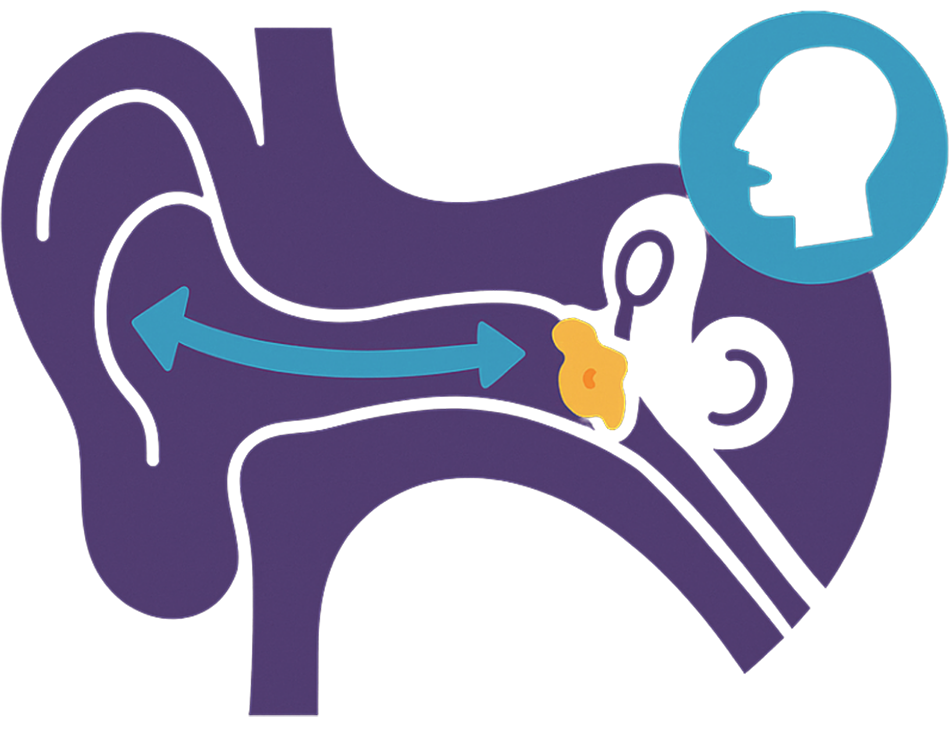
When you chew, talk, and move your jaw, old earwax moves towards the opening of your ear canal, where it usually flakes away,
For more information on earwax, we’ve written about when it crosses the line from normal to something worth addressing.
Impacted Earwax
Earwax impaction is when there’s a blockage in your ear canal and oftentimes requires a trip to the doctor for resolution.
A 2024 study found that 18.6% of people age 12 and older have some degree of cerumen impaction at any given time, and among adults 70 and older, that number jumps to 32.4%.
According to the AARP, about 8 million earwax removal procedures are performed each year in the United States.
Impacted earwax tends to come with the following symptoms:
- Sense of fullness or pressure
- Muffled or reduced hearing
- Tinnitus
- Itching
- Discharge with an odor
If you are experiencing any of these symptoms, it’s time to schedule an appointment with an audiologist for help.
Safe Earwax Removal at Home

At home, there are only a few safe ways to clean out your ears.
Earwax-softening drops such as mineral oil or an over-the-counter cerumenolytic may help loosen earwax. Some people can also safely use ear irrigation. However, this isn’t appropriate for everyone, so check with a healthcare professional if you’re unsure.
On the other end of the spectrum, there are a lot of tools you shouldn’t use to clean your ears.

First, stop using cotton swabs. Cotton swabs push wax deeper into the ear canal rather than pulling it out. Your earwax then gets impacted closer to the eardrum, where it’s more likely to become a real blockage.
Another popular but unhelpful activity is ear candling.
The idea is that a lit, hollow candle placed in your ear creates enough suction to draw out earwax. That isn’t the case, though.
Instead, leftover candle residue is collected, leaving your ears still impacted.
Over-the-counter removal kits are a mixed bag. Some use a syringe; others give you a mini-shovel-like tool. Without a doctor present, it’s hard to know whether or not you’re actually cleaning out wax or just irritating your ear.
We’ve gone into a full myth-by-myth breakdown, including a few we haven’t covered here, in Can I Clean My Own Ears?
What About Hearing Aids and Earwax
Earwax can also be a problem for your hearing aids.
Hearing aids can make earwax more noticeable because wax can collect on the portion of the hearing aid that sits in or near the ear canal. Wax can also build up on the hearing aid’s receiver or wax filter, potentially affecting sound quality or causing feedback.
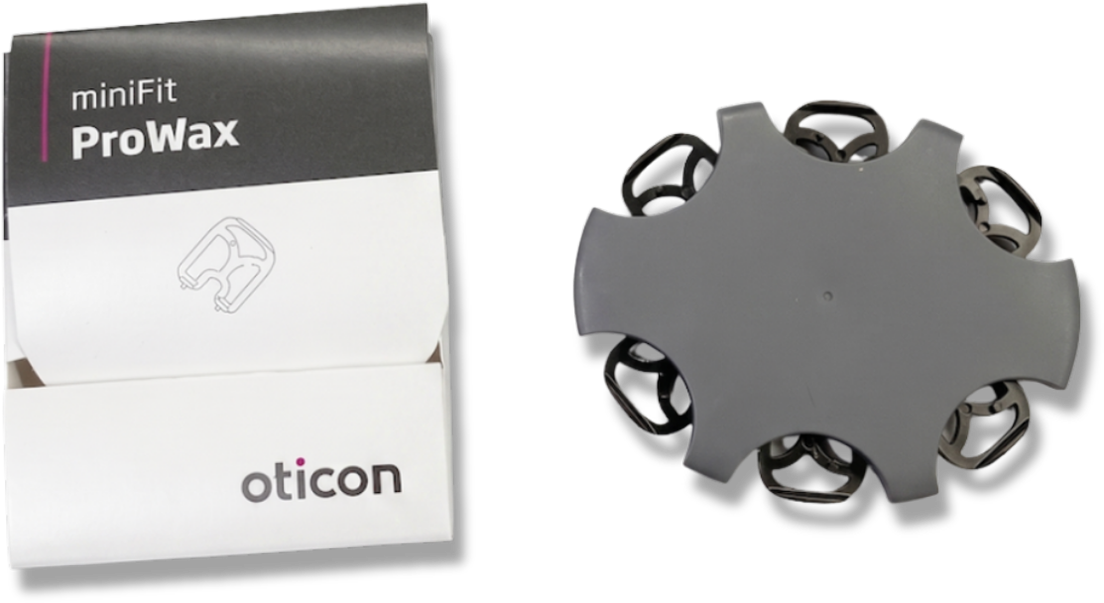
But wax also affects your hearing aids.
Sometimes you’ll experience a sudden squeal or whistle from earwax blocking the receiver, then leaking back out. If you’ve worn earbuds before, you also know that your ear can get trapped in the sound outlets, making everything muffled or off.
Hearing aids can cause earwax buildup, which in turn affects the quality of your hearing.
Wax guards are extremely helpful in preventing these issues, but it is also important to replace your guards more often than you think.
What to Expect During an Ear Cleaning with an Audiologist?
There isn’t a one-size-fits-all solution for earwax removal.
At Hearing Health Center, our audiologists are trained in suction, curettes, flushing, and other methods, depending on the type of earwax you may have. Loose wax needs a different approach than hard, impacted wax.
Older ear canals also tend to be more sensitive and more prone to irritation from the wrong approach, making it all the more important to have the right tools to protect your ears.
Our team has the knowledge and experience to help you hear better if you’re struggling with earwax buildup.
When Is It Time to Call a Doctor About Earwax?
Pain, odor, discharge, or fever all suggest calling your audiologist for a check-up. These symptoms could indicate an infection, requiring more urgent medical attention.
Another symptom that suggests a call is in order is the sudden appearance of one-sided muffled hearing. That can be a sign of sudden sensorineural hearing loss, a distinct condition that requires early treatment for the best chance of recovery.
If you are experiencing any of these symptoms, don’t hesitate to contact Hearing Health Center to schedule an appointment so our audiologists can help you hear better, sooner.
Need a Hearing Checkup? Struggling with Clogged Ears? Schedule an Appointment with Hearing Health Center Today.
Whether you’re dealing with too much earwax, need a hearing test, or are interested in hearing aids, we’ve got you covered at Hearing Health Center.
With five easy locations in the Chicagoland area, our expert audiologists are here when you need us most.
When asking about ears, every audiologist has heard this: “My ears don’t hurt, but they itch a lot!” Whether or not a person uses hearing aids, itching in the ears is very common.
But why?
A lot of things can cause itching all over the body, and the ear is no different. I’ve briefly listed some common causes and solutions, but saved an in-depth look for conditions related to hearing aid issues.
3 Common Causes of Itchy Ears
Itchy ears, while annoying, are often not a sign of more serious problems. Here are the three most common reasons we see patients with itchy ears.
Dry Skin
Itchy, dry skin in the ear canal can be caused by your environment. This includes cold, dry air in the winter and over-air-conditioned air in the summer.
It can also be caused by over-cleaning (especially with cotton swabs, which can absorb natural oils too quickly) and by natural aging.
Solution: Moisturize
A drop or two of an oil like Miracell® in each ear at night will absorb while you sleep and often provides fast relief, but take care to never place oil in an ear that has a history of holes in the eardrum.
Lotion on a little finger or a cotton swab can also be placed in the ear canal.
Often, a humidifier can help with dry skin.
Medical Conditions
Medical conditions such as allergies, outer ear infections like “swimmer’s ear,” and eczema or psoriasis can cause or worsen itching in the ear canal.
Surprisingly, high levels of stress or anxiety can be felt as itching and discomfort all over, including inside the ears.
Solution: Seek Medical Treatment
Ear, nose, and throat physicians can determine whether allergies or ear infections are the issue; physicians specializing in the ears, nose, and throat (“ENTs” or “otolaryngologists”) can prescribe appropriate treatments.
Dermatologists, skin-specialized doctors, can help with diagnoses such as eczema and psoriasis, for which many treatments are available.
If you think stress might be the problem, talk it out with a licensed counselor, psychologist, or psychiatrist.
You may relieve yourself of more than just an itch.
Hearing Aid Issues
Although hearing devices don’t usually cause allergic reactions, there are other ways they might contribute to itching.
If there is a build-up of earwax, a hearing aid can make it worse, causing itching or irritation until the ear is cleaned.
If a hearing aid sits too loosely inside the ear, it can “tickle” the ear canal and cause itching.
If a hearing aid has a very tight fit in the ear and is worn for a very long time each day, moisture can accumulate behind the hearing aid, causing a damp, itchy feeling (kind of like when you sweat in the summertime).
While the hearing aids themselves are usually hypoallergenic, clients rarely experience allergic reactions to cleaning solutions, whether in our clinic or to over-the-counter versions used at home.
Solution: See Your Hearing Care Provider
The hearing care providers at HHC can work with you to assess the fit of your hearing devices (loose/tight) and recommend next steps and other changes or treatments.
We can also look deeply into your ears, a process called “otoscopy,” to see whether dry skin, earwax, or an allergic reaction is the problem.
When in doubt, contact your audiologist.
How to Scratch Your Itchy Ears
There’s nothing else like scratching an itch, but we have some recommendations for how to go about it to avoid causing more problems.
Here are some techniques:
The Push and Wiggle
Placing a finger on the space in front of the ear and “wiggling” can help ease itching with or without a hearing aid in place. This is using the flat of your finger, not your fingernail!
Re- adjust your hearing device
If possible, remove and re-place your hearing aid, or pull the earbud in and out, to apply some pressure inside the ear and scratch that itch.
“Referred” itching
This one is a bit weird…Often used by people with missing limbs, “referred” itching is when you scratch an itch without actually scratching it.
Instead of trying to reach deep inside your ear canal, gently scratching another part of your body (like the back of your hand) while thinking about your itchy ear (“referring” the itch to the ear) can provide surprising relief.
I’ve used this myself when I get an itch on the bottom of my foot in the car. Sometimes it works.
Could Itchy Ears Be Something Serious?
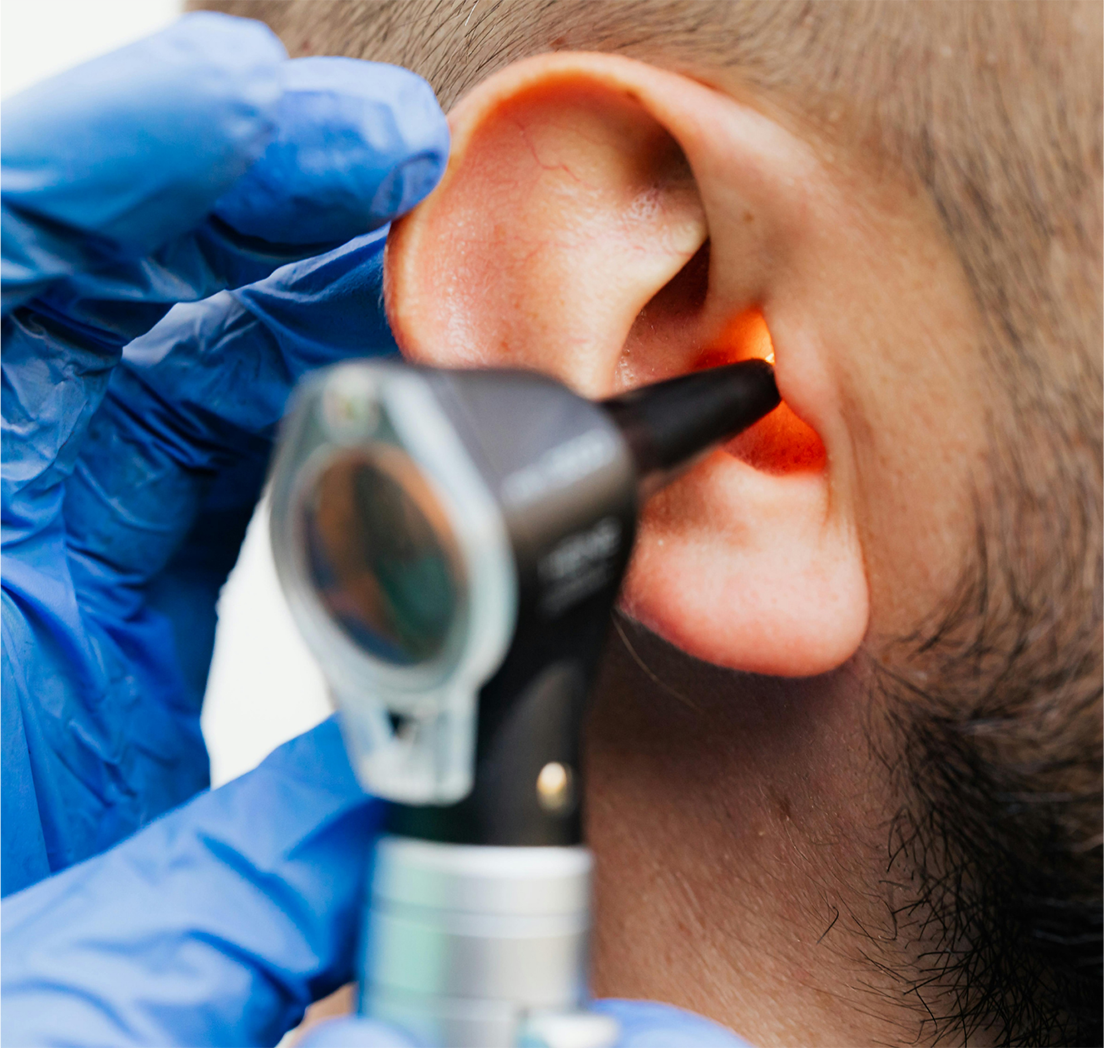
Most ear itching is minor and easily managed, but there are situations where it warrants prompt professional attention.
Contact your audiologist or physician if you experience:
- Persistent itching that doesn’t respond to home remedies after a week or two
- Pain or pressure inside the ear, alongside the itching
- Discharge or fluid coming from the ear canal
- Muffled or changing hearing that coincides with when itching began
- Visible redness or swelling around or inside the ear
- Itching after a recent illness, including some viral infections, like shingles, can affect the ear canal and require prompt medical treatment
These symptoms don’t always mean something serious is wrong, but they’re worth a professional look.
Catching an infection, skin condition, or wax impaction early is almost always easier than waiting it out.
Never Stick Something in Your Ear
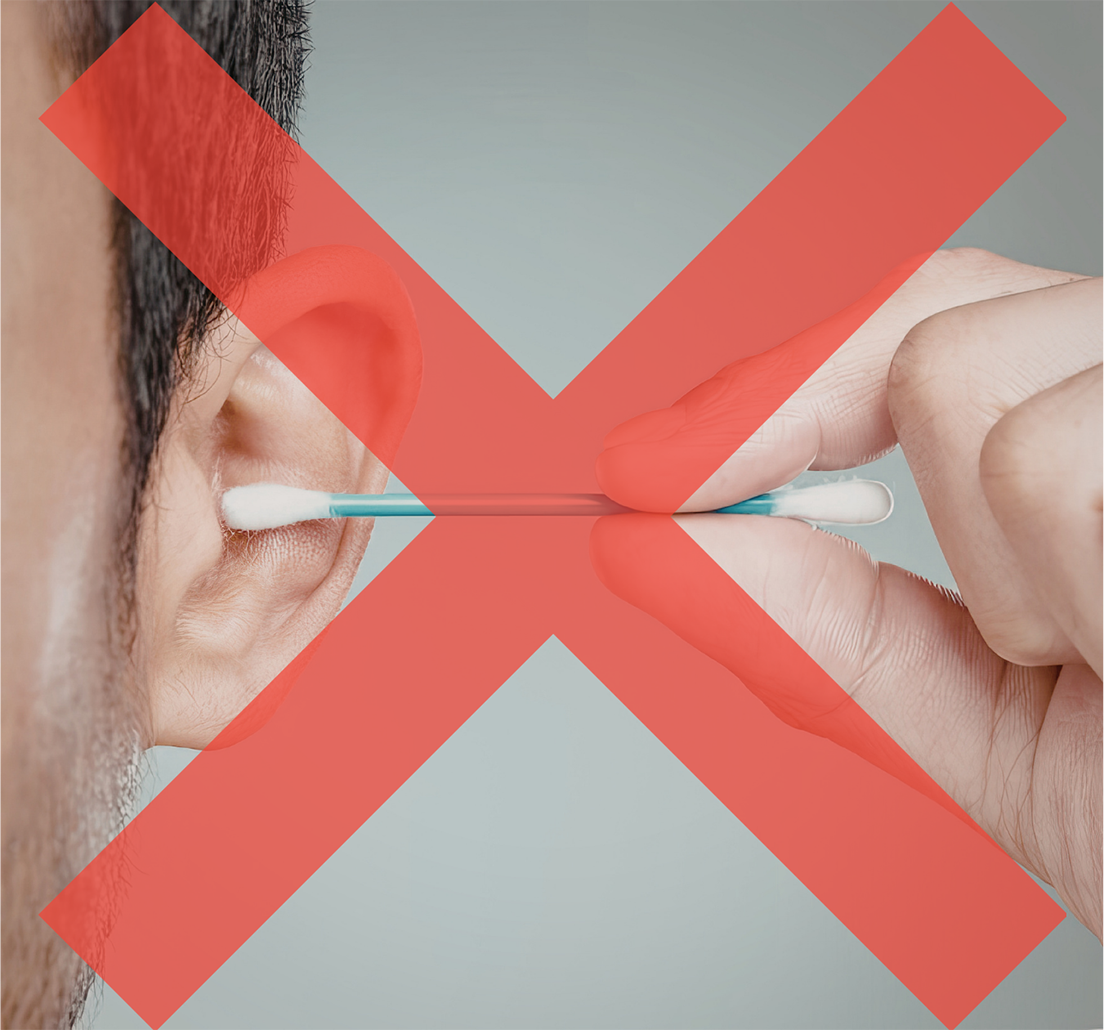
It’s always important to remember, don’t place foreign objects like Q-tips, bobby pins, long fingernails, pens or pencils, paperclips, or golf tees (yes, we’ve been told someone used a golf tee!) in your ears for itching or wax removal.
These objects can push earwax toward the eardrum or cut the skin inside the ear, causing bleeding.
When that cut begins to scab over and heal…it will itch even worse!
Itchy Ears? Dealing with Hearing Loss? Book an Appointment at Hearing Health Center Today!
If itching is persistent, worsening, or accompanied by pain, discharge, or muffled hearing, don’t wait it out.
The team at Hearing Health Center is here to help identify the source and get you comfortable again.
Schedule an appointment at any of our five convenient Chicagoland locations.
You get out of the shower or start getting ready for the day, and you see a Q-tip on your counter. Next thing you know, it’s swirling around in your ear, only to make things muffled or hard to hear.
It’s pretty standard for patients to think they can clean their own ears, but unfortunately, it often leads to a pretty bad experience.
Let’s take a look at some of the most common earwax cleaning myths and why you should work with an audiologist the next time you think you might have too much earwax.
Why Do I Have Earwax?
EWWW…EARWAX! DISGUSTING!
Why is everyone so grossed out by earwax?
Well, for one, it looks gross. It’s brown, greenish, gunky and sometimes gooey and sticky. Just seeing it can make you feel unclean and in need of hygiene.
But get over it! Everyone has earwax.
And, it’s a good thing you do, or you’d be in a lot of trouble.
There’s a reason you have earwax. It creates a waterproof lining in your ears that keeps them dry, which prevents germs and bacteria from causing constant infections.
Earwax traps dirt and dust, and little pieces of cotton (from those nasty Q-tips), and all the stuff that gets stuck in the hairspray you accidentally sprayed in your ears.
Wax keeps your ears lubricated and repels fungi, insects, and water.
Earwax has a purpose. It protects your ears.
Are There Different Kinds of Earwax?
Having too little earwax or over-cleaning your ears can cause dry, flaky, and itching ears and trigger infections.
Some wax is dry and flaky, and some wax is gooey and sticky. What kind you have is basically genetic. In general, Asians have dry earwax while European and African populations produce “wet” earwax.
Should I Clean My Own Ears?
GET THAT Q-TIP, BOBBY PIN, PEN KNIFE, SAMURAI SWORD OUT OF YOUR EAR!
Most ears are self-cleaning. Every time you chew or talk, the movement of your jaw causes the dusty, germ-laden wax to be pushed toward the opening of your ear, where it usually flakes and falls out. Meanwhile, the glands in your ear canals are producing new, protective, fresh wax.
When you stick objects in your ear, you’re really not helping. You’re pushing all the wax deeper into the canal and causing it to keep building up. Then the wax gets impacted.
- You get hearing loss
- You get an earache
- You get tinnitus (ringing in your ear)
- Your ears itch
- Your ears smell bad
- You puncture your eardrum
5 Things That Can Cause Excessive Earwax Build-Up
There are five main reasons why you might have excessive earwax. Some of these are things you can control, whereas others are just part of our genetics.
- The number one cause of excessive wax buildup is self-cleaning attempts.
- Genetics – some people just produce too much. It runs in the family
- Headphones*
- Hearing aids*
- Age – the ears produce less moisture, and the ear canals can narrow, causing the dry wax to get stuck.
*Your ears need to breathe and get air. Wearing headphones and using hearing aids can block the ears from performing their natural self-processing.
Common Earwax Cleaning Myths
We get patients every day who tell us about something they’ve heard online, or from a friend about cleaning their ears. Next thing you know, they tried something, and it made everything worse.
Here are some of the most common earwax cleaning myths we’ve heard:
Myth: Ear candling is a safe and effective way to remove earwax and toxins.
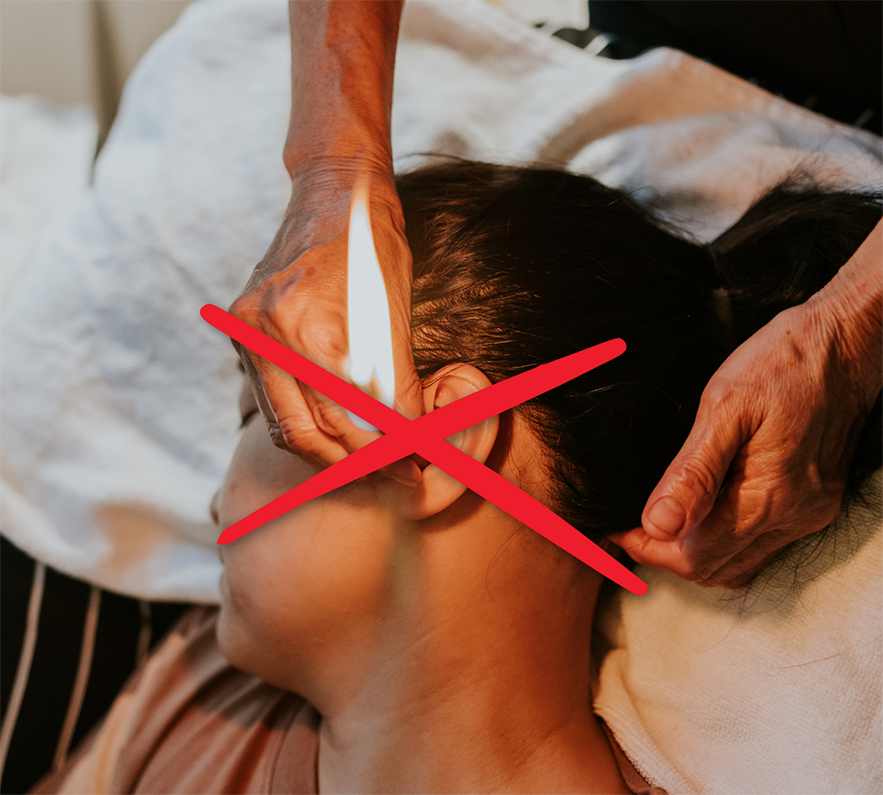
Ear candling, or ear coning, involves placing a lit, hollow candle into the ear canal, with the belief that it creates suction to draw out earwax and impurities.
Medical experts and scientific studies have consistently debunked this practice as both ineffective and highly dangerous.
It does not remove earwax; instead, it can lead to severe burns, introduce candle wax into the ear canal, cause ear infections, or even puncture the eardrum.
The residue found in candles after use is typically just candle wax and soot, not earwax.
Myth: You should clean your ears daily to maintain good hygiene.
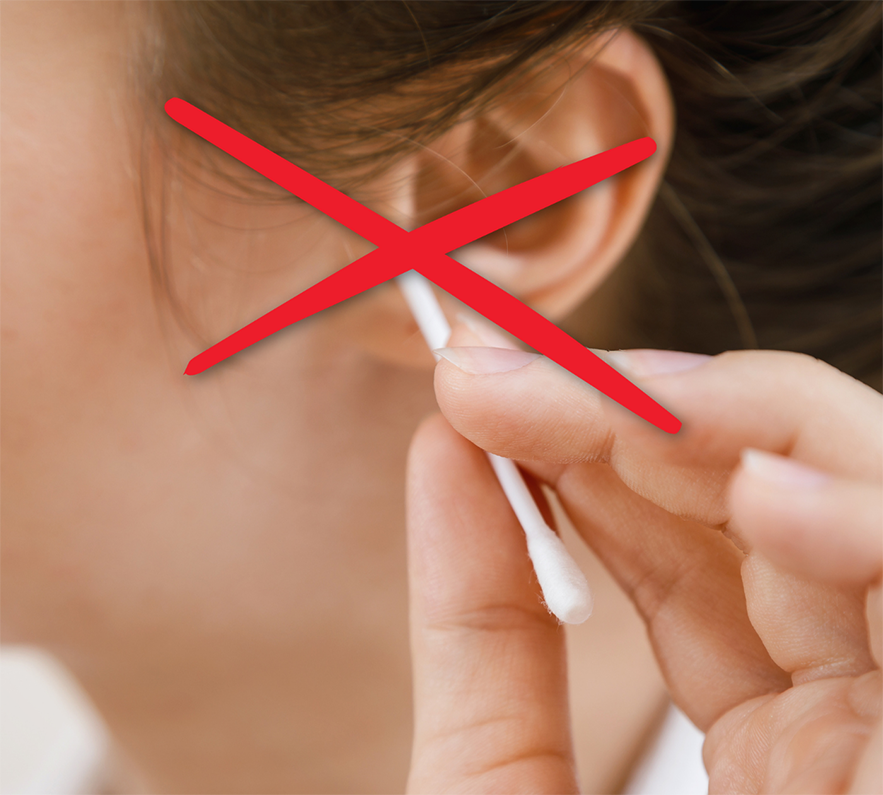
While it’s important to keep the outer ear clean, the inner ear canal is remarkably self-cleaning.
Your ears are designed with a natural “conveyor belt” system, where old earwax is gradually moved out of the ear canal through jaw movements (like chewing and talking).
Attempting to clean your ears daily, especially by inserting objects, can disrupt this natural process, push wax deeper, and cause more problems than it solves.
For most people, simply wiping the outer ear with a damp cloth is sufficient.
Myth/Fact: Over-the-counter ear drops are a universal solution for all earwax problems.
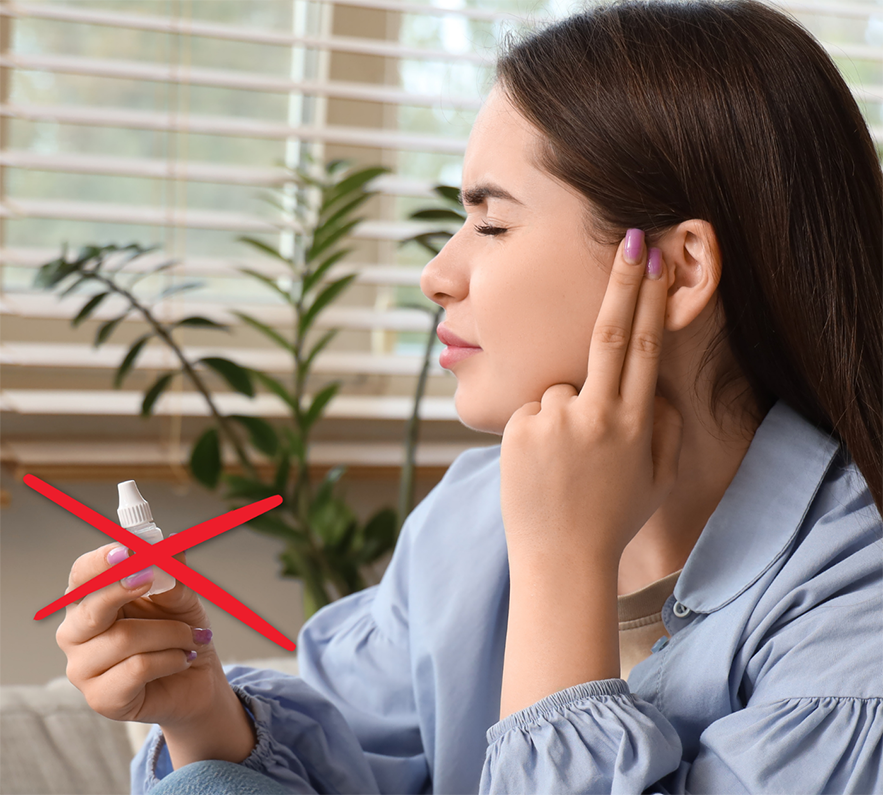
Ear drops can help soften earwax, which can aid in its natural expulsion or make professional removal easier.
Many over-the-counter drops contain ingredients like hydrogen peroxide or carbamide peroxide that work to break down earwax.
However, they are not a universal solution.
Ear drops should be used with caution and often under the guidance of a healthcare professional, especially if you suspect you have a perforated eardrum, an ear infection, or ear tubes.
For significant or impacted earwax, drops alone are usually not enough, and professional removal by an audiologist or doctor remains the safest and most effective method.
Cleaning Your Ears Isn’t a DIY Project. Call Hearing Health Center Today to Get Your Ears Cleaned Today.
Cleaning your ears isn’t a do-it-yourself project. Even if you use an over-the-counter remedy, how do you know if it worked? You can’t see what you’re doing in there.
If you think you have earwax buildup, do NOT try to fix it yourself. Your audiologist or doctor can remove it quickly, easily, comfortably, and professionally.
Schedule an appointment with one of our audiologists at Hearing Health Center for a comprehensive hearing exam and be on your way to better hearing.
Are you having trouble hearing? You might just have a problem with wax buildup. The best way to find out if you have wax buildup is to come in and have us examine your ears with our video otoscope.
Every one of us secretes wax in our ears. Wax not only serves to protect the skin in our ear canal but also provides lubrication and can protect our ears from bacteria, insects, and fungi. Most of us barely notice the presence of our wax, but for others, it can build up without actually removing itself, causing a blockage in our ear canal.
What is Ear Wax?
Nobody likes ear wax, but it’s essential to protecting your ears.
Ear wax, medically known as cerumen, is a naturally occurring substance produced within the ear canal. While it’s called ear wax, it’s a mixture of ear secretions, shed skin cells, and trapped debris.
Ear wax is the first line of defense for your ears. It traps dust, dirt, and other small particles that could otherwise penetrate deeper into the ear and potentially damage your eardrum. Additionally, ear wax provides lubrication, preventing the ear canal from becoming dry and itchy.
You may have found that ear wax can be in many colors, including off-white, yellow, and brown. If your ear wax is green, it’s time to see a doctor, as you might be fighting off an infection.
The Complications of Ear Wax
Ear wax is generally beneficial, but if it accumulates too much and becomes impacted, it can threaten the health and well-being of your hearing.
Impacted ear wax occurs when the cerumen becomes lodged deep within the ear canal, often blocking it entirely. If that happens, you’ll typically experience the following symptoms:
Hearing Loss
The most common symptom of too much ear wax is when the blockage prevents sound waves from reaching the eardrum effectively, resulting in muffled or diminished hearing.
Ear Ache
Another common symptom of impacted ear wax is ear pain because of the pressure exerted by the ear wax against the eardrum or the ear canal walls.
Tinnitus
You may have tinnitus if you’ve ever experienced ringing, buzzing, or other noises in the ears. There are different causes for tinnitus, but impacted ear wax is one of the more common ones.
Vertigo
Impacted ear wax sometimes causes balance problems because the ear plays a vital role in maintaining equilibrium. If you feel dizzy or have vertigo, it might be from too much ear wax.
Ear Infection
Because areas in the ear canal are blocked, they become breeding grounds for bacteria growth. If that happens, you will end up with a lot of ear pain and an ear infection.
If you experience any of these issues, reaching out to your audiologist before attempting to clean your ears yourself is important.
How Do You Clean Your Ears?
 One of the biggest misconceptions is that you should clean your own ears. Most common at-home ear cleaning attempts end in serious, long-term damage to your hearing. Sometimes, the damage is even permanent.
While seen on TV and in movies, the cotton swab is one of the last things you want to stick in your ear. Using them oftentimes pushes the ear wax further into the ear canal, causing more impact on the ear drum.
If you’re not careful, cotton swabs can scratch or puncture your ear drum.
Another common at-home solution is an ear candle. There is no medical proof that ear candles work, but there is evidence that usage causes burns, additional blockages, and perforation.
There is no best home solution for cleaning your ears. Sticking anything in your ear is a recipe for serious and long-term damage, which is why you should always go to a doctor or an audiologist if you are experiencing symptoms of impacted ear wax.
How Do You Prevent Ear Wax Buildup?
 While being proactive about protecting your ears might make sense, many at-home remedies are dangerous. The ear canal is self-cleaning, and overdoing it disrupts this process, leading to excess ear wax.
Two methods to prevent impacted ear wax are gentle cleaning after showers and using a humidifier.
After showering or bathing, gently wipe the outer ear with a soft cloth. This helps remove any excess wax that naturally migrated outward.
Dry air sometimes causes dryer ear wax, which can be more prone to impaction. Using a humidifier helps maintain adequate moisture levels.
Of course, the best prevention is scheduling regular appointments with an audiologist who can check and clean your ears. The audiologists at Hearing Health Center are trained in all forms of ear wax removal, including suction, curettes, flushing, and more.
Ear Wax and Hearing Aids
For all of the good ear wax does, its existence complicates things for people wearing hearing aids.
One of the biggest concerns is that wearing hearing aids prompts the glands in the ear canal to produce more wax, preventing it from moving out because of the barrier created by the hearing aid.
Ear wax can accumulate on the hearing aid’s receiver (speaker), blocking sound transmission and causing muffled or distorted sound.
This is a common issue, especially with in-the-ear (ITE) and receiver-in-canal (RIC) hearing aids.
When Ear Wax Becomes a Problem, We Have a Solution: Ear Wax Removal!
As audiologists, we are trained in our academic coursework and through specialized wax removal courses.
Wax removal can take many forms, depending on the wax type, the wax buildup, and what is necessary for the most uncomplicated removal.
Come in, find out if it’s just wax, and get it taken care of at Hearing Health Center with our specialized audiology team!
All ears have wax. A little wax is good. It keeps your ears moist, repels bugs, and prevents infections from bacteria and germs. Some ears produce too much wax. It builds up and blocks your hearing ability.
Removing earwax is not a do-it-yourself project. Q-tips usually just push the wax deeper inside your ear making it even harder to remove. Never, ever try ear candling. Burns are all too common and the wax you see is from the candle, not your ears. In addition, even over-the-counter earwax removal kits are a problem. How do you know if it worked? You can’t see what you’re doing down there.
There are different kinds of earwax. Some wax is soft and gooey, some hard and impacted, some flaky and loose.
Moreover, there are different methods to remove earwax: suction, curettes, flushing, and more. The audiologists at Hearing Health Center are expertly trained in every method, utilize the best one for the type and amount of earwax, and the one most gentle for your comfort.