
You get out of the shower or start getting ready for the day, and you see a Q-tip on your counter. Next thing you know, it’s swirling around in your ear, only to make things muffled or hard to hear.
It’s pretty standard for patients to think they can clean their own ears, but unfortunately, it often leads to a pretty bad experience.
Let’s take a look at some of the most common earwax cleaning myths and why you should work with an audiologist the next time you think you might have too much earwax.
Why Do I Have Earwax?
EWWW…EARWAX! DISGUSTING!
Why is everyone so grossed out by earwax?
Well, for one, it looks gross. It’s brown, greenish, gunky and sometimes gooey and sticky. Just seeing it can make you feel unclean and in need of hygiene.
But get over it! Everyone has earwax.
And, it’s a good thing you do, or you’d be in a lot of trouble.
There’s a reason you have earwax. It creates a waterproof lining in your ears that keeps them dry, which prevents germs and bacteria from causing constant infections.
Earwax traps dirt and dust, and little pieces of cotton (from those nasty Q-tips), and all the stuff that gets stuck in the hairspray you accidentally sprayed in your ears.
Wax keeps your ears lubricated and repels fungi, insects, and water.
Earwax has a purpose. It protects your ears.
Are There Different Kinds of Earwax?
Having too little earwax or over-cleaning your ears can cause dry, flaky, and itching ears and trigger infections.
Some wax is dry and flaky, and some wax is gooey and sticky. What kind you have is basically genetic. In general, Asians have dry earwax while European and African populations produce “wet” earwax.
Should I Clean My Own Ears?
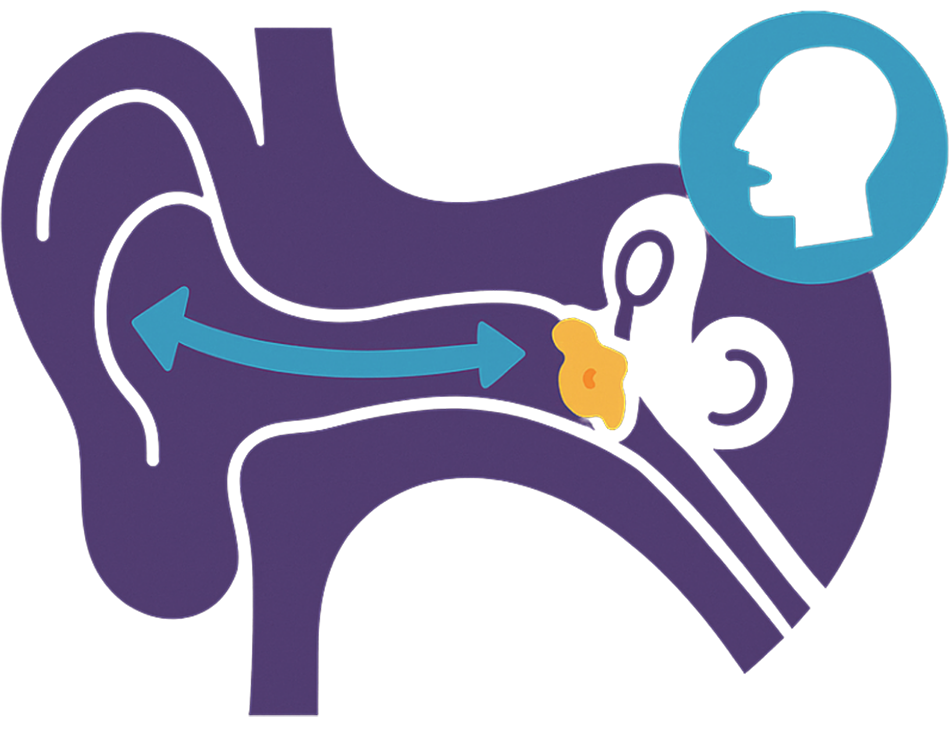
GET THAT Q-TIP, BOBBY PIN, PEN KNIFE, SAMURAI SWORD OUT OF YOUR EAR!
Most ears are self-cleaning. Every time you chew or talk, the movement of your jaw causes the dusty, germ-laden wax to be pushed toward the opening of your ear, where it usually flakes and falls out. Meanwhile, the glands in your ear canals are producing new, protective, fresh wax.
When you stick objects in your ear, you’re really not helping. You’re pushing all the wax deeper into the canal and causing it to keep building up. Then the wax gets impacted.
- You get hearing loss
- You get an earache
- You get tinnitus (ringing in your ear)
- Your ears itch
- Your ears smell bad
- You puncture your eardrum
5 Things That Can Cause Excessive Earwax Build-Up
There are five main reasons why you might have excessive earwax. Some of these are things you can control, whereas others are just part of our genetics.
- The number one cause of excessive wax buildup is self-cleaning attempts.
- Genetics – some people just produce too much. It runs in the family
- Headphones*
- Hearing aids*
- Age – the ears produce less moisture, and the ear canals can narrow, causing the dry wax to get stuck.
*Your ears need to breathe and get air. Wearing headphones and using hearing aids can block the ears from performing their natural self-processing.
Common Earwax Cleaning Myths
We get patients every day who tell us about something they’ve heard online, or from a friend about cleaning their ears. Next thing you know, they tried something, and it made everything worse.
Here are some of the most common earwax cleaning myths we’ve heard:
Myth: Ear candling is a safe and effective way to remove earwax and toxins.
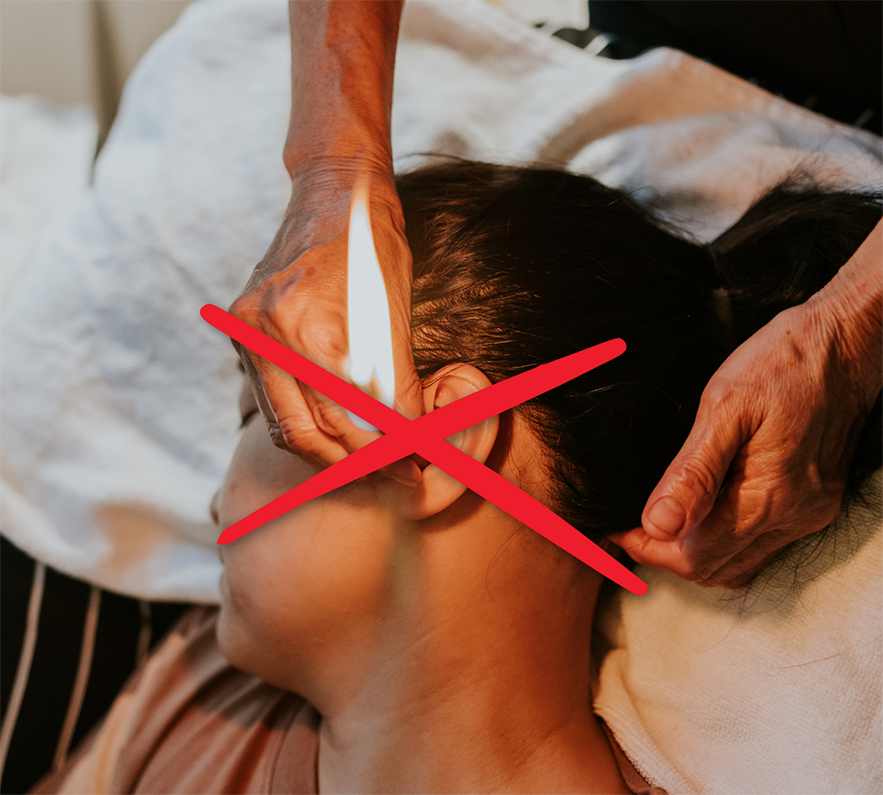
Ear candling, or ear coning, involves placing a lit, hollow candle into the ear canal, with the belief that it creates suction to draw out earwax and impurities.
Medical experts and scientific studies have consistently debunked this practice as both ineffective and highly dangerous.
It does not remove earwax; instead, it can lead to severe burns, introduce candle wax into the ear canal, cause ear infections, or even puncture the eardrum.
The residue found in candles after use is typically just candle wax and soot, not earwax.
Myth: You should clean your ears daily to maintain good hygiene.
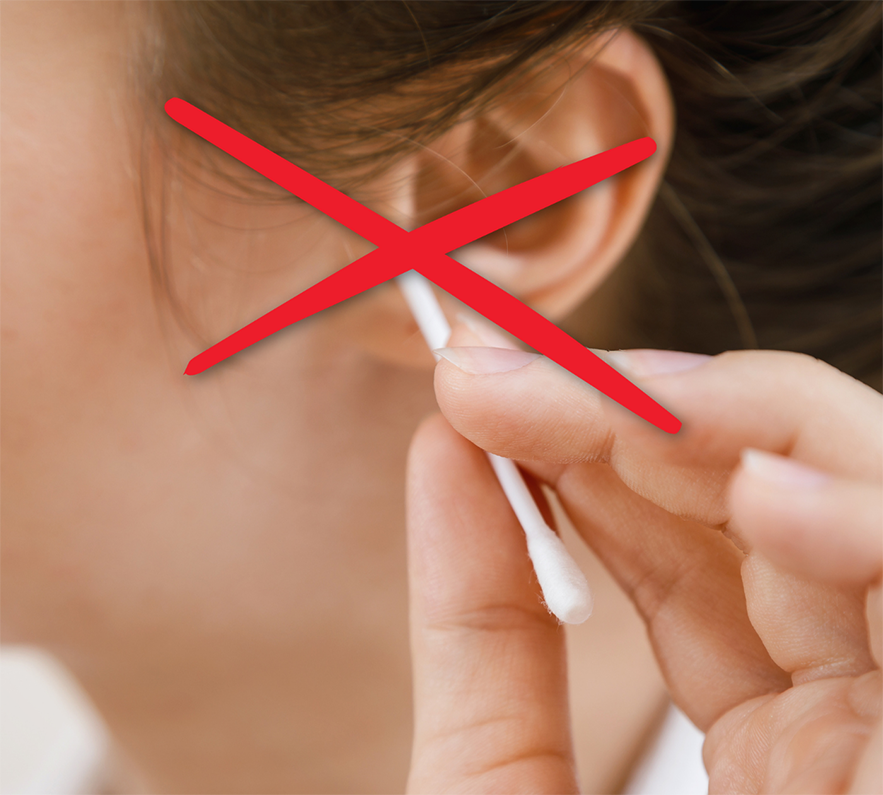
While it’s important to keep the outer ear clean, the inner ear canal is remarkably self-cleaning.
Your ears are designed with a natural “conveyor belt” system, where old earwax is gradually moved out of the ear canal through jaw movements (like chewing and talking).
Attempting to clean your ears daily, especially by inserting objects, can disrupt this natural process, push wax deeper, and cause more problems than it solves.
For most people, simply wiping the outer ear with a damp cloth is sufficient.
Myth/Fact: Over-the-counter ear drops are a universal solution for all earwax problems.
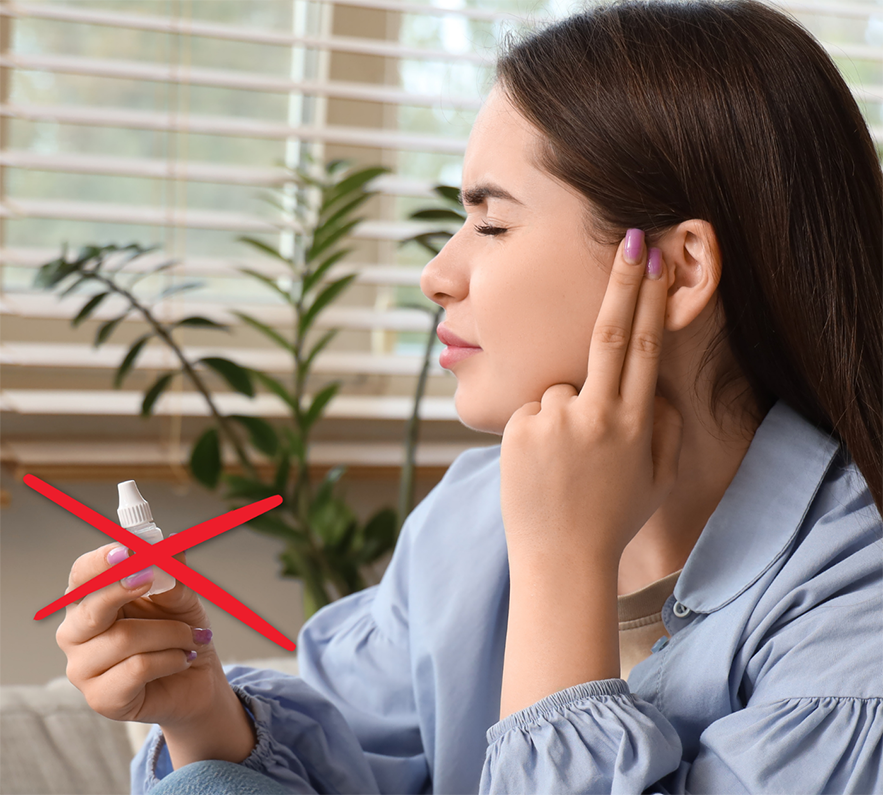
Ear drops can help soften earwax, which can aid in its natural expulsion or make professional removal easier.
Many over-the-counter drops contain ingredients like hydrogen peroxide or carbamide peroxide that work to break down earwax.
However, they are not a universal solution.
Ear drops should be used with caution and often under the guidance of a healthcare professional, especially if you suspect you have a perforated eardrum, an ear infection, or ear tubes.
For significant or impacted earwax, drops alone are usually not enough, and professional removal by an audiologist or doctor remains the safest and most effective method.
Cleaning Your Ears Isn’t a DIY Project. Call Hearing Health Center Today to Get Your Ears Cleaned Today.
Cleaning your ears isn’t a do-it-yourself project. Even if you use an over-the-counter remedy, how do you know if it worked? You can’t see what you’re doing in there.
If you think you have earwax buildup, do NOT try to fix it yourself. Your audiologist or doctor can remove it quickly, easily, comfortably, and professionally.
Schedule an appointment with one of our audiologists at Hearing Health Center for a comprehensive hearing exam and be on your way to better hearing.
Are you having trouble hearing? You might just have a problem with wax buildup. The best way to find out if you have wax buildup is to come in and have us examine your ears with our video otoscope.
Every one of us secretes wax in our ears. Wax not only serves to protect the skin in our ear canal but also provides lubrication and can protect our ears from bacteria, insects, and fungi. Most of us barely notice the presence of our wax, but for others, it can build up without actually removing itself, causing a blockage in our ear canal.
What is Ear Wax?
Nobody likes ear wax, but it’s essential to protecting your ears.
Ear wax, medically known as cerumen, is a naturally occurring substance produced within the ear canal. While it’s called ear wax, it’s a mixture of ear secretions, shed skin cells, and trapped debris.
Ear wax is the first line of defense for your ears. It traps dust, dirt, and other small particles that could otherwise penetrate deeper into the ear and potentially damage your eardrum. Additionally, ear wax provides lubrication, preventing the ear canal from becoming dry and itchy.
You may have found that ear wax can be in many colors, including off-white, yellow, and brown. If your ear wax is green, it’s time to see a doctor, as you might be fighting off an infection.
The Complications of Ear Wax
Ear wax is generally beneficial, but if it accumulates too much and becomes impacted, it can threaten the health and well-being of your hearing.
Impacted ear wax occurs when the cerumen becomes lodged deep within the ear canal, often blocking it entirely. If that happens, you’ll typically experience the following symptoms:
Hearing Loss
The most common symptom of too much ear wax is when the blockage prevents sound waves from reaching the eardrum effectively, resulting in muffled or diminished hearing.
Ear Ache
Another common symptom of impacted ear wax is ear pain because of the pressure exerted by the ear wax against the eardrum or the ear canal walls.
Tinnitus
You may have tinnitus if you’ve ever experienced ringing, buzzing, or other noises in the ears. There are different causes for tinnitus, but impacted ear wax is one of the more common ones.
Vertigo
Impacted ear wax sometimes causes balance problems because the ear plays a vital role in maintaining equilibrium. If you feel dizzy or have vertigo, it might be from too much ear wax.
Ear Infection
Because areas in the ear canal are blocked, they become breeding grounds for bacteria growth. If that happens, you will end up with a lot of ear pain and an ear infection.
If you experience any of these issues, reaching out to your audiologist before attempting to clean your ears yourself is important.
How Do You Clean Your Ears?
 One of the biggest misconceptions is that you should clean your own ears. Most common at-home ear cleaning attempts end in serious, long-term damage to your hearing. Sometimes, the damage is even permanent.
While seen on TV and in movies, the cotton swab is one of the last things you want to stick in your ear. Using them oftentimes pushes the ear wax further into the ear canal, causing more impact on the ear drum.
If you’re not careful, cotton swabs can scratch or puncture your ear drum.
Another common at-home solution is an ear candle. There is no medical proof that ear candles work, but there is evidence that usage causes burns, additional blockages, and perforation.
There is no best home solution for cleaning your ears. Sticking anything in your ear is a recipe for serious and long-term damage, which is why you should always go to a doctor or an audiologist if you are experiencing symptoms of impacted ear wax.
How Do You Prevent Ear Wax Buildup?
 While being proactive about protecting your ears might make sense, many at-home remedies are dangerous. The ear canal is self-cleaning, and overdoing it disrupts this process, leading to excess ear wax.
Two methods to prevent impacted ear wax are gentle cleaning after showers and using a humidifier.
After showering or bathing, gently wipe the outer ear with a soft cloth. This helps remove any excess wax that naturally migrated outward.
Dry air sometimes causes dryer ear wax, which can be more prone to impaction. Using a humidifier helps maintain adequate moisture levels.
Of course, the best prevention is scheduling regular appointments with an audiologist who can check and clean your ears. The audiologists at Hearing Health Center are trained in all forms of ear wax removal, including suction, curettes, flushing, and more.
Ear Wax and Hearing Aids
For all of the good ear wax does, its existence complicates things for people wearing hearing aids.
One of the biggest concerns is that wearing hearing aids prompts the glands in the ear canal to produce more wax, preventing it from moving out because of the barrier created by the hearing aid.
Ear wax can accumulate on the hearing aid’s receiver (speaker), blocking sound transmission and causing muffled or distorted sound.
This is a common issue, especially with in-the-ear (ITE) and receiver-in-canal (RIC) hearing aids.
When Ear Wax Becomes a Problem, We Have a Solution: Ear Wax Removal!
As audiologists, we are trained in our academic coursework and through specialized wax removal courses.
Wax removal can take many forms, depending on the wax type, the wax buildup, and what is necessary for the most uncomplicated removal.
Come in, find out if it’s just wax, and get it taken care of at Hearing Health Center with our specialized audiology team!
The quality of our life is greatly influenced by the strength of our hearing. From our ability to communicate to simply being able to balance ourselves upright, your hearing health affects many aspects of your life.
Did you know that most people with hearing loss wait 7 years before reaching out to a doctor? In those 7 years, numerous medical issues might arise and social isolation may set in.
At Hearing Health Center, we want everyone to have excellent hearing health for the rest of their lives. If you’re still not convinced, here are 5 reasons to get your hearing checked right away.
1. Slow Cognitive Function Decline
Doctors have identified that hearing loss is directly related to cognitive decline. Hearing loss is one of the early signs of dementia and “people who develop hearing problems during mid-life (aged 40–65) have an increased risk of developing dementia.”
Hearing loss is estimated to account for 8% of all dementia cases but there are options to slow the development of these cognitive problems.
Research suggests that hearing aids help prevent cognitive decline. One study revealed an almost 50% reduction in the rate of cognitive decline in those who wore hearing aids compared to those who didn’t.
Getting your hearing checked allows you to recognize the early signs of dementia and prevent them from affecting your daily life.
2. Improve Social Life
 Social connections and healthy relationships help people live longer, happier lives. And one of the keys to continuing or building those connections is healthy hearing.
The harder it is to hear, the harder it is to understand and engage in conversations with friends and family. Hearing loss suddenly becomes a barrier to communication and the community around you.
A 1999 study recognized that those with hearing loss were more likely to “report depression, anxiety, and paranoia and were less likely to participate in organized social activities” compared to those who wore hearing aids.
Social isolation is a serious problem, and it’s important to get your hearing health checked out before it affects how you connect with others.
3. Avoid Accidents
Your hearing health matters when it comes to avoiding accidents: the inability to hear sound correctly and the cognitive functions that come with hearing loss.
Let’s start with missing warning signals. With good hearing, you can hear a car coming down the road, the sound of something slipping off the counter, or even an alarm going off at work. With poor hearing, you miss all of those warning signals leading to higher risks of injury.
On a different note, studies report that those with hearing loss have an increased risk of falling, or losing their balance.
Researchers have yet to find the exact reason, but some believe that those with hearing loss suffer from decreased spatial awareness of the environment around them. Another theory is that the cognitive resources required to understand sounds with hearing loss leads to fewer cognitive resources to maintain balance.
With a simple hearing test, we can help you stay on your feet and enjoy life.
4. Identify Underlying Health Issues
Dementia isn’t the only health issue affected by hearing loss.
Studies revealed that there may be some connection between hearing loss and diabetes. In the study, doctors “found that hearing loss is twice as common in people with diabetes as it is in those who don’t have diabetes.” For those struggling with prediabetes, the rate of hearing loss is 30 percent higher than those with normal blood sugar levels.
While there is yet to be a direct causal relationship between hearing loss and heart disease, there is enough evidence to suggest there might be. Research believes that treating cardiovascular disease early prevents hearing loss, while early detection of hearing loss might signify underlying cardiovascular disease.
Don’t risk your longterm health, get your hearing checked today.
 5. Prevent Further Hearing Loss
While this might seem obvious, a hearing test helps protect you from further hearing loss. Understanding and identifying causes, or working with your doctor to find solutions helps protect your hearing over the course of your life.
Early detection is important as it helps identify underlying diseases, and promote communication.
Need Your Hearing Checked? Schedule an Appointment Today!
If you or someone you know is experiencing signs of hearing loss—such as frequently asking others to repeat themselves, increasing the volume on devices, or difficulty understanding speech in noisy environments, schedule a hearing test today.
Hearing Health Center has been helping people hear nationwide since 1984. Contact us today for a free baseline hearing test and start improving your hearing health right away.
 This is the rallying cry from baby boomers all over the country that ruined their hearing going to concerts and listening to loud music.
Millions of baby boomers are experiencing the foibles of their youth and suffering the consequences.
“My average patient used to be in their late seventies,” said Dr. Ronna Fisher, AuD. Of Hearing Health Center. “Today my average patient is in their early sixties.” Fifty percent of people over the age of sixty have a significant hearing deficit that interferes with their everyday life.
Yet, at the same time, some of these baby boomers still perceive hearing problems as an old person’s issue. “They still think, “hearing = old,” and refuse to recognize and admit they have difficulty hearing and understanding,” said Dr. Fisher.
“Hearing loss runs in my family,” proclaimed Dr. Fisher, who has been wearing hearing aids since she was fifty. “At first, I used to think, ‘I’m too young to wear hearing aids. Then I realized, I’m too young not to wear hearing aids.”
Baby boomers are all about living longer, being more active and communicating their vast knowledge…to their employees, to their children, and anyone else willing to listen to their wisdom.
Astute baby boomers understand that communicating is a two-way street. making the rest of their lives the best of their lives. And they’re realizing that it’s all about communicating.
Age doesn’t matter. Book a FREE hearing test today.

Hearing ability is a precious gift that enriches us and helps us connect to the world. Unfortunately, due to hectic lifestyles and impractical choices, hearing loss has become increasingly common – affecting all ages. But the good news is that many of these hearing loss cases are preventable. By practicing healthy choices and taking proactive steps, you can safeguard your hearing health for ages to come.
Hearing loss is still the most common chronic health issue across the United States; it reduces your ability to decipher speech and sounds around you. Those who work in noisy environments, especially at construction sites, factories, or as road crews, may lose their hearing sooner than others due to constant noise without proper protection. Those who listen to loud music with headphones, attend open-air music festivals, frequent nightclubs or play games with constant loud noises in their ears – all get highly affected. The key to preventing or slowing down hearing loss is to understand what is “loud” and limit the exposure. Understand that the louder the volume, the less time you can listen to it before it impacts your hearing ability.
WHAT IS HEARING LOSS?
Hearing loss refers to a reduced or diminished ability to pick up on sounds or even understand them. Its severity can range from minor to extreme, depending on the underlying reasons – this includes ear infections, prolonged exposure to loud sounds, hereditary predisposition, head injury, side effects of a medicine, and aging.
WHAT ARE THE EARLY SIGNS OF HEARING LOSS?
It is important to note early signs of hearing loss, although they vary depending on the individual or specific type of hearing loss. Read on, and if you notice any of these signs or have concerns, connect with our hearing healthcare professionals to treat during the initial stage:
Difficulty Deciphering Conversations: One of the early signs of hearing loss is experiencing trouble or struggling to follow conversations, especially when in noisy environments. You may find comprehending what others are saying challenging, leading to repetitive questions or clarification.
Increasing Volume: Turning the volume up or if you find asking others to repeat themselves; a volume that others find too or extremely loud, indicates the onset of hearing loss. Gradually raising the volume over time is a major early sign.
Withdrawal from Social Events: Individuals experiencing hearing loss find themselves withdrawing from social gatherings or group conversations. Difficulty deciphering speech leads to feeling frustrated, embarrassed, and even isolated. This causes individuals to avoid situations that demand extensive communication.
Tinnitus: The perception of ringing, buzzing, or other ghost sounds in the ears, all are associated with hearing loss. If you often experience tinnitus, especially with other signs such as difficulty hearing, it is advised to check your hearing.
Misunderstanding: Another early sign of hearing loss is often misinterpreting or misunderstanding spoken words. You may find that certain sounds or speech patterns are muffled or unclear, leading to confusion as well as miscommunication.
WHY IS HEARING LOSS NOWADAYS AFFECTING PEOPLE AT EARLY AGE?
There are myriad reasons why hearing loss appears to affect people now at earlier ages. Before we discuss it any further, it is important to note that not everyone experiences hearing loss at a younger age. Listed below are some factors that contribute to the perception:
- Exposure to Noise: The ever-growing prevalence of loud environments and prolonged exposure to extreme volumes such as recreational activities, loud music concerts, and the constant use of personal audio devices set at high volumes are contributing majorly to hearing damage. Continuous exposure to excessive noise accelerates the onset of hearing loss. Sure, that favorite song of yours by Taylor Swift sounds great at volume 10, but it is affecting your ability to hear.
- Occupational Hazards: Certain occupations regularly expose people to high levels of noise. This includes those working at construction sites, manufacturing facilities; aviation, transportation, and entertainment are prone to noise-induced hearing loss, especially if you don’t wear protective gear for your ears.
- Lifestyle Choices: As mentioned at the beginning of the post, this modern lifestyle involves exposure to loud environments, such as clubs, sporting events, or concerts where high volume is evident and consistent – contributing to hearing damage. Additionally, the increased use of personal audio devices for extended periods, at high volumes, impacts hearing health.
- Medical Conditions: Some medical conditions, such as genetic disorders, infections, or autoimmune diseases, can lead to hearing loss, especially at an earlier age. Genetic predisposition affects individuals, making them prone to hearing issues.
- Increased Awareness: More and more people are now aware of the importance of hearing health, thanks to the cutting-edge diagnostic tools that led to improved identification and detection of hearing loss in the early phase. More and more people affected by hearing loss are seeking professional help and testing their hearing ability, contributing to the perception of early-onset hearing loss.
How to prevent hearing loss?
Listed below are important hearing loss prevention tips:
1.Protect Your Ears Against Noise
Exposure to loud noises is a major cause of hearing damage – you could be at a concert, power tool, or sporting event and wear earplugs or muffs to reduce the impact of excessive sound. Keep the volume at a normal level, especially when listening to music or watching TV – especially with headphones on.
2.Take Breaks from Noise
Giving your ears regular breaks is advised, especially when in loud environments or with headphones on. If you work at a loud site or in a noisy setting, take proper breaks in quieter areas, allowing your ears to recover. It is advised to let your ear calm down.
3.Be Cautious with Headphones
While earbuds and headphones offer entertainment with convenience, don’t forget that they can be harmful, especially when used improperly. Limit your use of headphones or earbuds, and when you do, keep the volume at a reasonable level. Consider using noise-canceling headphones since they block external sounds, allowing you to enjoy music without turning up the volume.
4.Follow a Healthy Lifestyle
Myriad lifestyle factors influence your hearing health. Avoid smoking; it can contribute to hearing loss. Manage chronic conditions like hypertension and diabetes – they affect your auditory system. Stay physically active and practice a balanced diet to promote overall well-being – this includes the health of your ears.
5.Be Cautious with Medicines
Certain medications, also known as ototoxic drugs, damage your hearing. This means if you are prescribed medication, consult your healthcare professionals about potential side effects on your hearing. Be vigilant and report any effects or changes in your hearing during or post medication.
6.Schedule Regular Hearing Tests
Like any other routine medical check-up, regular hearing evaluations play a key role, especially in detecting any potential hearing loss early. Schedule an appointment with trusted audiologists or hearing healthcare experts to monitor your hearing health while addressing the concerns.
SUMMARY
Hearing loss can happen at any age and for many reasons, but fret not! Bear in mind that age-related hearing loss isn’t preventable or curable; however, you can take steps to prevent noise-induced hearing loss. You can avoid noise-related hearing loss by getting annual hearing health testing, avoiding ear-damaging loud sounds, wearing ear protection muffs around loud noises, practicing safe headphone listening, stopping medications that cause hearing loss, and quitting smoking that causes hearing loss.
ABOUT HEARING HEALTH CENTER
We at Hearing Health Center are a team of professional audiologists that don’t just treat ears but treat the brain. We understand that we don’t hear with ears since they are merely add-ons that catch sound and channel it to our brains. The brain then processes and makes sense – which is why your ear must send the correct amount and quality of sound. Hearing Health Center, being the leading and trusted hearing clinic, introduced digital hearing aid technology to Chicago.
Need help hearing better? Contact us today!
 You might think your hearing problem only affects you, but your spouse, family, friends, and co-workers might have already had it up to here.
Untreated hearing problems are a major cause of stress in relationships, especially with those closest to us.
Researchers who conducted a qualitative study of couples, where one partner had hearing loss, found that hearing loss produces feelings of frustration, embarrassment, and distress…especially for the partner without hearing loss.
Day-to-day communication, whether about important matters or trivial, is the cornerstone of a healthy relationship. When communication breaks down, frustration creeps in. Frustration leads to resentment, then to further breakdown in intimacy.
Both partners in the study bemoaned the loss of spontaneity, small talk, and sharing small, unexpected incidents. Those small asides, including jokes and humor, bring about shared companionship and reflection. And relationships, especially marriages, experience a significant loss in the absence of that communication. And both partners agreed there had been a meaningful change in the nature and content of their communication because of hearing problems.
EMOTIONS CONNECTED WITH DECREASED HEARING ABILITY
- Frustration
- Resentment
- Loneliness
- Curtailing social activities
- Decrease in intimacy, joking, interacting with friends and family.
- Decrease in shared activities (even watching TV)
- Loss of companionship
- Less communication (words are kept to a minimum)
TIPS FOR TALKING TO YOUR PARTNER ABOUT THEIR HEARING
- Tell them it is affecting your relationship. Your partner might be concerned about the stigma of wearing hearing aids, but saying, “what,” “huh,” “pardon me,” all the time is often irritating to others and frustrating to have to repeat everything.
- Tell them you are concerned for their health. When hearing loss is left untreated, the speech and language areas of the brain can atrophy, leading to auditory deprivation and putting a person at increased risk of cognitive decline. Early detection and treatment of hearing problems is the number one factor under your control to prevent and delay dementia.
- Tell them you are concerned about your own health. The additional stress of worrying about your other half’s health and safety can take a physical and emotional toll on your own health. Plus, it is no fun to listen to the TV or stereo when it is cranked up too high, and could be damaging your own hearing, or having to shout or constantly repeat yourself.
- Make an appointment to have your own hearing evaluated and ask them to go with you. First, it is something you should do anyway. The Alzheimer’s Association recommends everyone over fifty get a baseline hearing evaluation. Secondly, it’s always good to have another set of ears to hear what the hearing care provider has to say, no matter who that patient is.
HOW HEARING AIDS IMPROVE RELATIONSHIPS
 Wearing hearing aids not only improves your hearing, but it also improves your intimate relationships. Opening that extra channel of communication can stimulate conversation and reduce frustration, providing better understanding of one another.
They reduce miscommunication.
What was that? Did you say, “answer the phone” or “Sarah is home?” Hearing loss can result in a lot of confusion for the person experiencing it. Mistakes made from mishearing your partner could result in fighting and a decline in overall happiness. Relationships are enough work as it is without factoring in the added burden of hearing loss. A hearing aid is a simple solution to reducing miscommunication and maximizing your hearing potential.
They lower frustration and tension
Living with hearing loss requires extra effort. But it requires a lot less effort if you take the available options to improve your hearing. Doing so will not only relieve the stress you experience every day but reduce the stress it places on your loved one. Constant communication is necessary in a relationship, and communication comes much easier when you can hear one another.
Hearing aids make it easier to have a real conversation
People with hearing loss tend to withdraw into themselves because conversation becomes embarrassing and difficult. You may not realize it at first, but you are putting distance between yourself and your loved one by avoiding conversation, whether that be in person or on the phone. Hearing aids, which take some getting used to, allow you to engage in conversation and maintain your connection with your partner much better than if you did not wear them.
They allow you to tune in to each other
All the extra communication opportunities hearing aids provide you allow you to become better tuned to your partner’s needs. Cohabitation becomes much easier when a couple’s understanding of each other improves. Plus, when your partner sees you trying to improve your hearing condition, they are more likely to put in an effort also.
Hearing Health Center now sells over the counter hearing aids. See them in our online store >>>
Who can they help? The good news!
Like eyeglasses from the drugstore, OTC’s can help some people. OTC’s are designed for mild/moderate hearing loss at a “reasonable” price. You can walk into a retail establishment or drugstore and purchase them without a hearing exam or seeking help from a hearing professional. For those that have been in denial about their hearing (“it’s not that bad”) or are concerned about vanity (“I don’t want to look old”), OTC’s can be an easy, commitment free way to see if amplification works.
Who can they hurt? The Bad news!
Bypassing a professional examination and advice can be risky. Serious medical issues, such as infections, bone deterioration, tumors, and even excessive ear wax, will not be detected. Tinnitus (ringing in your ears), and balance problems won’t be addressed. You will get a “one size fits all” ready-to-wear hearing aid. It is not programmed, adjusted, or fine-tuned for your personal needs and brain’s processing ability. Hearing Health Center offers free hearing ability tests at all five of our locations. Book an Appointment Now >> Want to stay up-to-date on OTC Hearing Aids? Sign-up for the Hearing Health OTC Bulletin.
It’s all about your brain
Untreated, and improperly treated hearing loss is a major contributing factor to cognitive decline and dementia. Even a small decrease in hearing ability increases the risk for Alzheimer’s. According to the Alzheimer’s Association, the number one factor you can control to prevent and delay dementia is treating your hearing.
OTC’s are not invisible
If you don’t want anyone to know you’re wearing hearing aids, OTC’s are not for you. The best completely invisible hearing aids are either custom fit for your ear canals, or require insertion by a professional (see Lyric 24/7 hearing aids, worn for months at a time).
Hearing care is not a one-time transaction
No one can predict whether your hearing ability will remain the same or get worse. If you have the type of hearing loss that is not medically or surgically correctable, it will never get better. All hearing aids require maintenance and service for optimum performance. Your hearing ability needs to be monitored for changes and adjustments to your prescription.
A professional relationship
Your doctor monitors your overall health. Your dentist and eye doctor keep a close eye on your teeth, gums, and eyesight. Your hearing ability affects your brain, your heart, and your balance. A professional relationship with a doctor of audiology is imperative to maintaining your brain and physical health.
If you try OTC’s
Go ahead. Give OTC’s a try. If they work for you, great! You’re on your journey to better communication with the important people in your life, and reconnecting with the things you love to do.
We’re herE for you
Whatever you choose, we’re here to help you. Hearing Health Center was voted the number one, most trusted audiology practice in the Midwest. We’ve been serving the community for 38 years. >> Consider booking a free hearing ability test at one of the five Hearing Health Center locations, or check out over the counter hearing aids in our online store.
Over the counter hearing Aids
Watch this Video
NBC 5 Interviews HHC Founder Dr. Ronna Fisher in this story about OTC hearing aids
Over the counter hearing Aids
The Answer
Dr. Ronna Fisher Shares What You Need to Know About Over the Counter Hearing Aids
There are different types of hearing problems and many causes of hearing loss. Identifying the type, severity, and cause of the hearing problem is critical in determining the next steps as well as the treatment options available.
Doctors of Audiology spend four years of intensive study in the anatomy and physiology of the ear and brain to accurately diagnose and correctly treat hearing and cognitive impairments.
All ears have wax. A little wax is good. It keeps your ears moist, repels bugs, and prevents infections from bacteria and germs. Some ears produce too much wax. It builds up and blocks your hearing ability.
Removing earwax is not a do-it-yourself project. Q-tips usually just push the wax deeper inside your ear making it even harder to remove. Never, ever try ear candling. Burns are all too common and the wax you see is from the candle, not your ears. In addition, even over-the-counter earwax removal kits are a problem. How do you know if it worked? You can’t see what you’re doing down there.
There are different kinds of earwax. Some wax is soft and gooey, some hard and impacted, some flaky and loose.
Moreover, there are different methods to remove earwax: suction, curettes, flushing, and more. The audiologists at Hearing Health Center are expertly trained in every method, utilize the best one for the type and amount of earwax, and the one most gentle for your comfort.
Most people haven’t had their hearing checked since grade school. It is rarely included in annual physicals and people just don’t think to get it tested.
Yet every study in the last 10 years proves the direct link between hearing ability, the brain and cognitive function, making your hearing a vital part of every physician exam.
That’s why Hearing Health Center is committed to making sure that everyone in the community, over 50 years old, has a baseline hearing test.
If you haven’t had your hearing tested, now is your chance. Make an appointment for a free baseline hearing checkup at any of our five locations