
Hearing ability is a precious gift that enriches us and helps us connect to the world. Unfortunately, due to hectic lifestyles and impractical choices, hearing loss has become increasingly common, affecting all ages.
But the good news is that many of these cases of hearing loss are preventable. By practicing healthy choices and taking proactive steps, you can safeguard your hearing health for ages to come.
What Is Hearing Loss?
Hearing loss refers to a reduced or diminished ability to pick up on sounds or even understand them. Its severity can range from minor to extreme, depending on the underlying reasons.
This includes ear infections, prolonged exposure to loud sounds, hereditary predisposition, head injury, side effects of a medicine, and aging.
The key to preventing or slowing hearing loss is to understand what is “loud” and to limit exposure. Understand that the louder the volume, the less time you can listen to it before it harms your hearing.
Why Is Hearing Loss Affecting People at Younger Ages?
There are myriad reasons why hearing loss appears to affect people now at earlier ages.
Loud environments and prolonged exposure to extreme volumes, such as recreational activities, concerts, and the constant use of personal audio devices at high volumes, are contributing significantly to hearing damage among young people.
With headphones becoming an everyday staple, constant exposure to loud music is slowly affecting people’s hearing. Add in how some occupations (construction sites, manufacturing facilities, aviation, transportation, and entertainment) regularly expose people to high levels of noise, and young people are more likely than ever to experience hearing loss.
Some medical conditions, such as genetic disorders, infections, and autoimmune diseases, can also lead to hearing loss, especially in younger individuals.
Genetic predisposition can make individuals more prone to hearing issues.
Thanks to cutting-edge diagnostic tools, more and more people are now aware of the importance of hearing health.
This includes improved identification and early detection of hearing loss. You can schedule a free comprehensive hearing exam at Hearing Health Center today.
What Are The Early Signs of Hearing Loss?
It is essential to note the early signs, although they vary by individual or specific type of hearing loss.
If you notice any of these signs or have concerns, connect with the Hearing Health Center team to avoid more serious, long-term damage.
Difficulty Deciphering Conversations
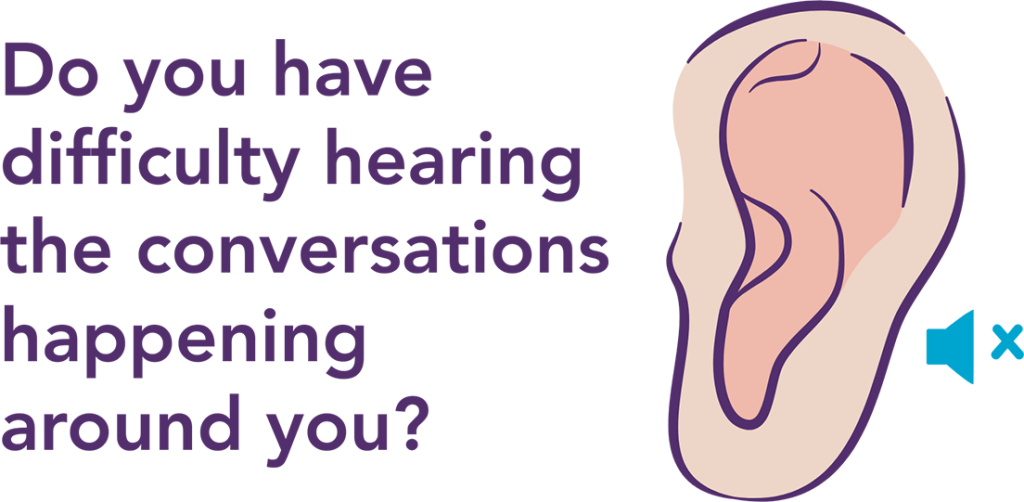
One of the early signs of hearing loss is trouble following conversations, especially in noisy environments.
You may find it challenging to understand what others are saying, leading to repeated questions or requests for clarification.
Increasing Volume
Turning the volume up or asking others to repeat themselves if you find it too loud or extremely loud indicates the onset of hearing loss.
Gradually increasing the volume is a major early sign that most people do not recognize.
Withdrawal from Social Events
Individuals with hearing loss often withdraw from social gatherings or group conversations.
This is the result of difficulties understanding conversations, which then leads to feeling frustrated, embarrassed, and even isolated.
Eventually, individuals will avoid situations that demand extensive communication.
Tinnitus
The perception of ringing, buzzing, or other ghost sounds in the ears is associated with hearing loss.
If you often experience tinnitus, especially with other symptoms such as difficulty hearing, it is advised to have your hearing checked.
6 Ways To Protect Yourself From Hearing Loss
1. Protect Your Ears Against Noise
Wear earplugs or muffs to reduce the impact of excessive sound at concerts or sporting events.
When at home, keep the volume at a normal level, especially when listening to music or watching TV, and use headphones.
2. Take Breaks from Noise
Taking regular breaks from noise is advised, especially in loud environments or when wearing headphones.
If you work at a loud site or in a noisy setting, take proper breaks in quieter areas to allow your ears to recover.
3. Be Cautious with Headphones
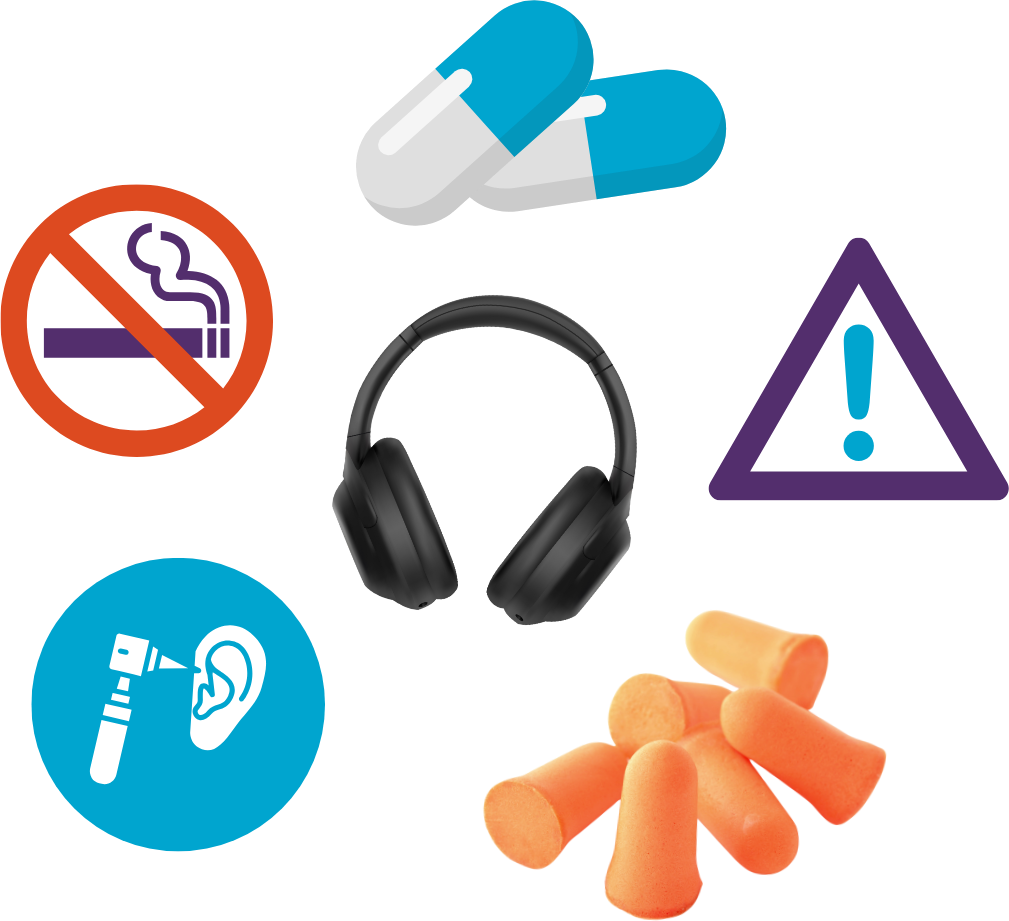
While earbuds and headphones entertain with convenience, don’t forget that they can be harmful, especially when misused.
Limit your use of headphones or earbuds, and when you do use them, keep the volume at a reasonable level.
Consider using noise-canceling headphones, which block external noise, so you can enjoy music without turning up the volume.
4. Follow a Healthy Lifestyle
Lifestyle factors influence your hearing health.
Avoid smoking; it can contribute to hearing loss. Manage chronic conditions like hypertension and diabetes – they affect your auditory system.
Stay physically active and practice a balanced diet to promote overall well-being, including your ears’ health.
5. Be Cautious with Medicines
Certain medications, also known as ototoxic drugs, damage your hearing.
This means if you are prescribed medication, consult your healthcare professionals about potential side effects on your hearing.
Be vigilant and report any effects or changes in your hearing during or post medication.
6. Schedule Regular Hearing Tests
Like any other routine medical check-up, regular hearing evaluations play a key role in detecting potential hearing loss early.
Schedule an appointment with a trusted audiologist or hearing healthcare expert to monitor your hearing health and address your concerns.
Ready To Protect Your Hearing? Schedule Your Free Hearing Exam Today.
Hearing loss can happen at any age and for many reasons, but fear not.
You can avoid noise-related hearing loss by getting annual hearing health testing, avoiding ear-damaging loud sounds, wearing ear protection muffs around loud noises, and practicing safe headphone usage.
Schedule your free hearing health exam at Hearing Health Center today.
For more than 40 years, Dr. Ronna Fisher has helped people hear the moments that matter. Conversations at the dinner table. A grandchild’s laugh. The simple comfort of feeling connected again.
Now, her story is front and center on the cover of Highland Park Neighbors. In this feature, Dr. Fisher shares the personal loss that led her into audiology, the breakthroughs that shaped Hearing Health Center, and why hearing care has never been just about devices. It’s about staying present in your life and the people you love.
Read the full Highland Park Neighbors feature below or by clicking here.
I did the research so you don’t have to.
Understanding Traditional Medicare vs. Advantage Plans
Traditional Medicare
Traditional Medicare is operated by the government and is a combination of Medicare Parts A (hospitalization) and Parts B (Physicians and testing), and Part D (drug plan). Traditional Medicare covers 80% of your health care costs. To cover the remaining 20%, you must buy a Medigap, or supplemental, policy.
Cost
The cost for traditional Medicare for 2026 is estimated to be $206.50 monthly. The cost for a supplemental plan (G Plans), the most popular supplemental plan costs $100-$200/month.
Traditional Medicare
The Good News
- You cannot be turned down for the best, most comprehensive (and expensive) plan (currently Plan G), even if you already have health issues.
- Almost all doctors and hospitals accept Traditional Medicare. You have the widest access to health providers.
- Out-of-pocket costs are limited to the annual Park B deductible, estimated at $288 in 2026.
The Bad News
- The premium for a supplemental policy is more than for Advantage Plans.
- You still must buy a separate drug plan (Part D).
Advantage Plan
Advantage plans are operated by private insurance companies that contract with Medicare.
Cost
You still must pay the cost for traditional Medicare (estimated 2026 premium of $206.50/month.
Advantage Plans
The Good News
- They often include additional benefits (dental, vision, hearing), that traditional Medicare does not cover.
- They usually include coverage (Part D), which is extra in Traditional Medicare.
The Bad News
- Many doctors and hospitals are dropping out of Advantage Plans because of declining reimbursement and paperwork nightmares.
- They require permission for testing and limited access to physicians and hospitals that are part of the group. Going out of network can mean higher costs or no coverage at all.
- Prior authorization is required for many services, which can delay or prevent needed care.
- Although premiums may be lower, Advantage Plans have higher co-payments, deductibles, and out-of-pocket maximums (in 2025, the out-of-pocket maximum for Medicare Advantage Plans is $9350 for in-network services).
- They may not offer coverage outside of their service area, which can be a problem when you travel.
Bottom Line
- Open enrollment occurs from Oct. 15th to Dec. 7th. This is the only time you can choose or change plans.
- Check the notice your current plan sent you. How much have premiums and costs risen? Are your doctors and hospitals still in the Plan?
Resources to help you:
- Medicare.gov
- eHealth.com
- Boomerbenefits.com
- For personalized help, make sure you use a licensed individuals – not from an Advantage salesperson who earns a larger commission for selling those plans.